
Tamoxifen Citrate (Nolvadex) Tablets

- By Kimberlee Michele Reed, MD (General Surgery, breast cancer care)
- Medically reviewed by Mahboub R Noori, MD (Hematology Oncology)
Table of Contents
What Tamoxifen Is and Who May Need It
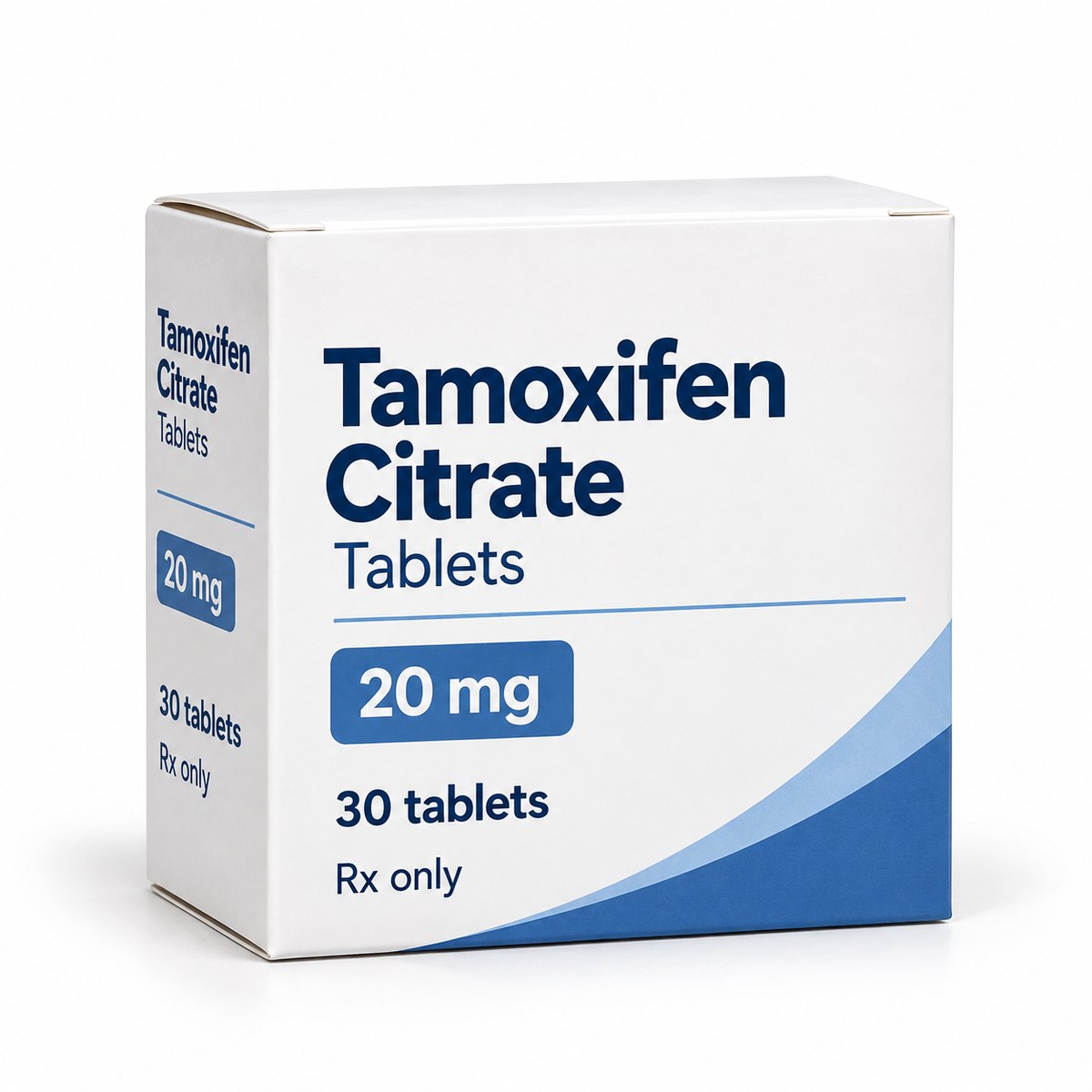
Tamoxifen citrate is an oral selective estrogen receptor modulator, commonly shortened to SERM, that has been used for decades in the treatment and risk reduction of hormone-sensitive breast cancer. Nolvadex is one of the best-known historical brand names for tamoxifen. The Nolvadex brand is no longer marketed in the United States, but FDA-approved generic tamoxifen citrate tablets remain available. Patients may therefore hear the names Nolvadex, tamoxifen, and tamoxifen citrate used in the same conversation even though the product dispensed by a U.S. pharmacy is usually a generic tablet from a current manufacturer.
The medication is most relevant when breast cancer cells depend on estrogen signaling. Tumors are routinely tested for hormone receptors, especially estrogen receptor and progesterone receptor status. A cancer described as estrogen receptor positive, or ER-positive, has cells that use estrogen signaling to support growth. Tamoxifen binds to estrogen receptors in breast tissue and interferes with that signal. It does not remove every estrogen molecule from the body. Instead, it changes how estrogen can act in selected tissues, which is why its effects differ from those of aromatase inhibitors.
Tamoxifen may be used after surgery for early-stage hormone-receptor-positive breast cancer, in selected cases of ductal carcinoma in situ, for some patients at increased risk of developing breast cancer, and in metastatic hormone-sensitive disease. It also remains particularly important for many premenopausal patients because aromatase inhibitors generally require ovarian suppression to work effectively before natural menopause. In men with hormone-receptor-positive breast cancer, tamoxifen is also a standard endocrine therapy option and is commonly the first endocrine drug considered in the adjuvant setting.
The decision to prescribe tamoxifen is not based on a medication name alone. The oncology team considers tumor stage, receptor status, menopausal status, prior surgery, radiation and chemotherapy, recurrence risk, age, pregnancy potential, history of blood clots, uterine history, other medications, and the expected duration of endocrine therapy. For patients without a cancer diagnosis who are considering tamoxifen for risk reduction, the threshold for treatment is different because the person is balancing the possibility of preventing a future cancer against the medication's own adverse-event risks.
That distinction is essential when reading about tamoxifen online. A boxed warning that is highly relevant to risk-reduction decisions does not mean that tamoxifen should be avoided by every patient with breast cancer. U.S. labeling explicitly notes that the benefits of tamoxifen outweigh the risks in women who already have breast cancer. The individual decision still belongs to the patient and oncology team, but the risk-benefit context is not the same as preventive use in someone who is currently cancer-free.
Tamoxifen, Tamoxifen Citrate, and the Nolvadex Name
Tamoxifen is the active drug. Tamoxifen citrate is the salt form used in tablets. For example, a 20 mg tamoxifen tablet contains a larger amount of tamoxifen citrate that is equivalent to 20 mg of tamoxifen. Current U.S. generic labels commonly list 10 mg and 20 mg tablets. The package may say "Tamoxifen Citrate Tablets, USP" rather than Nolvadex, even when a patient or clinician informally refers to the medication by the older brand name.
The practical point is to match the prescription to the dispensed product. The tablet strength, manufacturer, directions, and quantity should be checked each time a prescription is filled, especially if the pharmacy changes manufacturers. Different generic tablets can vary in shape, imprint, and inactive ingredients while still containing the same labeled amount of tamoxifen. A visual difference after a refill is not automatically a problem, but it is reasonable to confirm the new product with the pharmacist before taking it if anything seems inconsistent.
International packaging can create additional confusion. Nolvadex remains marketed in some countries, and pack sizes may differ from common U.S. bottles. Some markets use 20 mg branded tablets in cartons, while U.S. generics are commonly supplied in bottles. The fact that a product exists internationally does not mean that the same presentation is approved, stocked, or legally shipped in every jurisdiction.
For this page, "Nolvadex" is used as a familiar brand reference, while "tamoxifen" or "tamoxifen citrate" describes the active prescription medication used in current clinical care.
Who Is Most Likely to Receive Tamoxifen?
A typical tamoxifen patient has hormone-receptor-positive breast cancer and needs systemic endocrine therapy to reduce the chance that estrogen signaling will stimulate residual or recurrent cancer cells. In early-stage disease, endocrine therapy can continue for years after surgery because recurrence risk extends well beyond the immediate postoperative period. Tamoxifen can also be used when cancer has recurred or spread and remains hormone-sensitive.
Premenopausal women are a major group in whom tamoxifen is used because it can block estrogen receptor signaling even while the ovaries continue producing estrogen. Depending on recurrence risk, ovarian suppression may be added or a different endocrine strategy may be chosen. Postmenopausal women may receive tamoxifen, an aromatase inhibitor, or a sequence of both drugs over the full treatment course. The best sequence depends on tumor features, prior treatment, tolerance, bone health, thromboembolic risk, and other clinical factors.
Women with DCIS may be offered tamoxifen after breast-conserving treatment to reduce the risk of future invasive or noninvasive breast events when hormone-receptor status and the overall treatment plan support its use. For people with no current cancer diagnosis but a sufficiently elevated future risk, tamoxifen can be considered as a risk-reducing medication after a detailed discussion of potential benefit and the risk of blood clots, uterine cancer, stroke, and other adverse effects.
Men with estrogen-receptor-positive breast cancer may also receive tamoxifen. Male breast cancer is uncommon, so many treatment principles are extrapolated from evidence in women, but national cancer guidance continues to identify tamoxifen as an important endocrine option for men with hormone-sensitive disease. Men can also experience tamoxifen side effects, including hot flashes, sexual symptoms, mood changes, and thromboembolic complications.
How Tamoxifen Works in Hormone-Receptor-Positive Breast Cancer
Estrogen can act as a growth signal in many breast cancers. It binds to estrogen receptors inside cancer cells and changes gene activity in ways that encourage cell survival and proliferation. Tamoxifen is structurally different from estrogen but can bind to the estrogen receptor. In breast tissue, this binding blocks or alters estrogen-driven signaling and reduces the ability of hormone-sensitive cancer cells to respond to circulating estrogen.
This is why tamoxifen is classified as endocrine therapy rather than chemotherapy. Chemotherapy directly targets rapidly dividing cells through cytotoxic mechanisms. Tamoxifen changes a hormone-dependent growth pathway. The two treatments can both be part of the same breast cancer plan, but they serve different purposes and are often given at different times. Endocrine therapy is commonly continued far longer than a chemotherapy course because its goal is sustained suppression of hormone-driven recurrence risk.
Tamoxifen is also different from aromatase inhibitors such as anastrozole, letrozole, and exemestane. Aromatase inhibitors reduce estrogen production outside the ovaries by blocking the aromatase enzyme. In a postmenopausal person, this can greatly lower circulating estrogen. In a premenopausal person with functioning ovaries, an aromatase inhibitor alone can trigger compensatory ovarian stimulation and is therefore usually paired with ovarian suppression when used as definitive endocrine therapy.
Tamoxifen does not behave as a pure estrogen blocker in every tissue. A SERM can have anti-estrogen activity in one tissue and partial estrogen-like activity in another. This tissue-selective behavior helps explain why tamoxifen can protect against estrogen-driven breast cancer while also increasing the risk of endometrial changes in the uterus and blood clots in susceptible patients. It also explains why bone effects differ between premenopausal and postmenopausal patients.
Why Estrogen-Receptor Testing Matters
Breast cancer is not a single biological disease. Hormone-receptor testing helps determine whether endocrine treatment is likely to be useful. A tumor that is strongly estrogen-receptor positive is generally more likely to respond to estrogen-blocking therapy than a tumor that does not express estrogen receptors. Pathology reports usually include estrogen receptor and progesterone receptor findings, and they may include the percentage of cells staining positive and the intensity of staining.
The oncology team interprets those results together with HER2 status, tumor size, grade, lymph-node involvement, genomic assay results when used, patient age, and other prognostic features. Tamoxifen is not chosen solely because a tumor came from the breast. It is chosen because the biology of that tumor indicates that interrupting estrogen signaling may meaningfully reduce recurrence or control active disease.
For metastatic disease, receptor status can sometimes differ between the original tumor and a later recurrence. When feasible, biopsy of a metastatic site may help confirm the current biology. Endocrine therapy can then be selected in the context of disease burden, prior endocrine exposure, mutations, menopausal status, and other targeted treatment options.
This is one reason online intake should not be reduced to selecting a drug from a menu. A safe prescription decision requires the pathology and treatment context that establishes why tamoxifen belongs in the plan.
Tamoxifen Metabolism and Endoxifen
Tamoxifen is converted in the liver into active metabolites, including endoxifen. Several cytochrome P450 enzymes contribute to this process, and CYP2D6 is an important pathway. Medications that strongly inhibit CYP2D6 can reduce endoxifen concentrations. This interaction has been studied particularly with some antidepressants, including paroxetine and fluoxetine.
The practical issue is not that every patient taking an antidepressant must stop it. Depression, anxiety, hot flashes, and other symptoms may themselves require treatment. Instead, the oncology team should review the full medication list and decide whether an alternative with less CYP2D6 inhibition is reasonable. Abruptly stopping an antidepressant without medical guidance can create withdrawal symptoms or destabilize mental health.
Genetic variation in CYP2D6 also affects tamoxifen metabolism. Routine genotype testing is not universally required for every patient before tamoxifen, and the clinical meaning of genotype results can be more complex than a simple good-versus-bad metabolizer label. The treatment decision usually rests on the entire clinical picture, including alternatives, adherence, side effects, menopausal status, and recurrence risk.
Because tamoxifen therapy often continues for years, medication reconciliation should be repeated over time rather than performed only once at the start. A new antidepressant, anticoagulant, antibiotic, supplement, or hormonal product introduced later can change the risk or effectiveness profile.
Tamoxifen Dosage, Strengths, and Treatment Duration
Current U.S. tamoxifen citrate labels commonly provide 10 mg and 20 mg tablets. For many breast cancer indications, 20 mg per day is a standard dose. Historical labeling notes that doses greater than 20 mg per day did not demonstrate greater effectiveness for adjuvant breast cancer therapy. Some treatment situations and international labels may describe divided dosing or different schedules, but the prescription should follow the oncology plan rather than a retail product listing.
For DCIS and for reduction of breast cancer incidence in high-risk women, U.S. labeling describes tamoxifen 20 mg daily for five years. In the treatment of established breast cancer, duration can be more individualized. Depending on menopausal status and recurrence risk, a patient may receive tamoxifen for five years, extend endocrine therapy, switch from tamoxifen to an aromatase inhibitor after menopause, or use another sequence recommended by the oncology team.
Long duration makes adherence important. Missing a single dose is different from repeatedly skipping medication because of side effects or uncertainty. If a patient is struggling with hot flashes, vaginal symptoms, mood changes, sexual side effects, fatigue, or fear of serious complications, the most useful response is to discuss the problem early. Many side effects can be managed, and sometimes the endocrine strategy can be adjusted without abandoning the goal of recurrence reduction.
Tamoxifen can generally be taken with or without food. A consistent daily routine helps with adherence. Patients should follow the exact instructions on their prescription label and avoid doubling a dose to compensate for a missed tablet unless specifically instructed. If repeated doses are missed, the oncology team should know because adherence influences the effectiveness of long-term endocrine therapy.
10 mg and 20 mg Tablets
The 10 mg and 20 mg strengths are both established tamoxifen presentations. A 20 mg daily regimen may be dispensed as one 20 mg tablet or, in some circumstances, as two 10 mg tablets, but patients should not substitute strengths on their own. Tablet scoring, manufacturer instructions, quantity, and insurance coverage may differ. The pharmacist can confirm whether a particular tablet can be split and whether the prescription matches the intended daily dose.
Current U.S. generic products include 10 mg and 20 mg tablets from multiple manufacturers. Appearance can vary. One manufacturer may use a round white tablet with a specific imprint while another uses a different imprint or film coating. The active drug and approved strength are what matter clinically, but patients who receive a tablet that looks unexpectedly different should verify it before use.
Brand-name Nolvadex products that remain available in other countries may come in different carton sizes. A foreign pack may contain 20 or 30 tablets, and packaging may use a different trade name such as Nolvadex-D for a 20 mg product. International brand availability should not be confused with U.S. approval or pharmacy sourcing.
For this page's product image, only one strength is shown on the package. A real pharmaceutical carton represents one specific product strength and package quantity, not several strengths at once.
Why Treatment Can Last Five to Ten Years
Hormone-receptor-positive breast cancer can recur many years after the original treatment. This long natural history is why endocrine therapy is measured in years rather than weeks. Five years of tamoxifen became a foundational adjuvant strategy because longer exposure reduced recurrence risk compared with shorter courses in appropriate patients. Later studies and modern guidelines supported extended endocrine therapy for selected patients when the expected benefit outweighed the additional treatment burden and risk.
Extended therapy does not mean every patient should take tamoxifen for ten years. Some patients switch to an aromatase inhibitor after menopause. Some stop after five years because the incremental benefit of additional therapy is small. Others continue because their recurrence risk is higher. Age, lymph-node involvement, tumor size, grade, tolerance, bone health, thromboembolic risk, uterine history, and menopausal transition all influence the plan.
The decision is usually revisited rather than fixed permanently on day one. A patient who starts tamoxifen at age 42 may be postmenopausal several years later and then become eligible for a different endocrine strategy. A patient who develops a serious clotting event or another contraindication may need to stop or change treatment. A patient tolerating therapy well with substantial recurrence risk may have a strong reason to continue.
Patients sometimes interpret a long prescription as proof that nothing will change for years. In reality, long-term endocrine therapy still includes regular reassessment. The goal is durable cancer-risk reduction with a treatment plan that remains medically appropriate and realistically sustainable.
| Clinical Context | Common Label or Guideline Framework | Important Note |
|---|---|---|
| Adjuvant breast cancer therapy | Often 20 mg daily as part of a multi-year endocrine plan | Duration and sequencing depend on menopausal status and recurrence risk |
| DCIS after local treatment | 20 mg daily for 5 years in U.S. labeling | Benefits and boxed-warning risks should be discussed |
| Risk reduction in high-risk women | 20 mg daily for 5 years in U.S. labeling | Preventive benefit must be weighed against clot, stroke, and uterine risks |
| Male hormone-receptor-positive breast cancer | Tamoxifen is commonly used as adjuvant endocrine therapy | Side effects and adherence should be monitored in men as well |
How Virtual Care Works
Start Your Online Intake
Provide your diagnosis, pathology and receptor information if available, current medications, prior cancer treatment, allergies, clotting history, pregnancy potential, and the reason you are requesting tamoxifen care.
Clinical Review
A licensed provider reviews whether telehealth is appropriate and whether oncology records, pathology, imaging, laboratory testing, or an in-person examination are needed before treatment decisions can be made.
Confirm the Treatment Plan
If tamoxifen is appropriate, the clinician confirms the indication, strength, daily schedule, treatment duration, monitoring plan, and important interaction or safety issues.
Fill an Eligible Prescription
An eligible prescription can be sent to a licensed pharmacy in accordance with applicable law, pharmacy requirements, and the patient's clinical treatment plan.
Early-Stage Breast Cancer, DCIS, and Risk Reduction
After breast surgery, the visible tumor may be gone, but microscopic cancer cells can remain elsewhere in the body. Adjuvant systemic therapy is designed to reduce the chance that those cells will later cause recurrence. In hormone-receptor-positive disease, endocrine therapy is one of the most important systemic treatments because it addresses the estrogen pathway that helps those cancer cells survive.
Tamoxifen can be used after lumpectomy or mastectomy depending on the tumor biology and overall treatment plan. Radiation therapy, chemotherapy, HER2-directed therapy, and endocrine therapy each answer different clinical questions. A patient may receive one, several, or all of these treatments based on stage and tumor features. The fact that tamoxifen is an oral tablet should not make it seem optional or secondary when the cancer is strongly hormone sensitive.
For premenopausal women, tamoxifen may be used alone in lower-risk situations or combined with ovarian suppression in higher-risk settings. Another strategy is ovarian suppression plus an aromatase inhibitor. The choice depends on the expected reduction in recurrence, side effects, fertility goals, bone health, age, tolerance, and patient preference. Menopausal status can change during treatment, so the plan may also change.
For postmenopausal women, aromatase inhibitors often have a prominent role, but tamoxifen remains useful when an aromatase inhibitor is not tolerated, not appropriate, or is used as part of a sequential strategy. Some patients start with tamoxifen and later switch; others use an aromatase inhibitor first and later change because of musculoskeletal side effects or other concerns.
Tamoxifen After DCIS
Ductal carcinoma in situ is a noninvasive breast lesion in which abnormal cells are confined to the milk ducts. Treatment focuses on preventing both local recurrence and future invasive breast cancer. After breast-conserving surgery and radiation, tamoxifen may be offered when the DCIS is hormone-receptor positive and the patient is an appropriate candidate for endocrine risk reduction.
The decision is different from treating invasive breast cancer because the expected absolute benefit is usually smaller and the patient may already be cured by local therapy. That makes side-effect tolerance and individual risk factors especially important. U.S. tamoxifen labeling carries a boxed warning specifically emphasizing serious uterine malignancies, stroke, and pulmonary embolism in women using the drug in the DCIS and risk-reduction settings.
Age, hysterectomy status, history of venous thromboembolism, smoking, mobility, cardiovascular risk, and personal preferences all influence whether the potential reduction in future breast events is worth the treatment burden. For some postmenopausal patients, an aromatase inhibitor may be discussed as an alternative depending on clinical circumstances.
A high-quality DCIS consultation should therefore explain both the relative benefit and the absolute baseline risk. A percentage reduction can sound large while translating into a modest absolute difference for a particular individual. Shared decision-making is especially valuable when treatment is preventive rather than necessary to control known invasive disease.
Tamoxifen for Breast Cancer Risk Reduction
Tamoxifen can lower the incidence of estrogen-receptor-positive breast cancer in selected women who have not been diagnosed with invasive breast cancer but have a sufficiently high predicted risk. Risk assessment may include age, family history, prior breast biopsies, atypical hyperplasia, lobular carcinoma in situ, reproductive history, genetic factors, and formal risk-calculation tools.
The preventive setting requires careful selection because the person is currently healthy from a cancer standpoint. A medication that lowers the chance of one future disease can still create other risks. The most important serious concerns include venous thromboembolism, pulmonary embolism, stroke, and uterine malignancy. Those risks vary with age and medical history. A younger premenopausal woman without clotting risk may have a different balance than an older postmenopausal woman with prior thrombosis.
Tamoxifen also has benefits beyond breast cancer risk reduction in some postmenopausal patients, including estrogen-like effects on bone. At the same time, it can cause hot flashes, vaginal discharge, menstrual changes, sexual symptoms, and other effects that influence quality of life. Preventive therapy is most successful when the person understands both the expected benefit and the practical day-to-day effects before starting.
Risk-reducing tamoxifen should never be treated as a generic wellness medication. It is a prescription preventive therapy for selected patients after individualized risk assessment and counseling.
Tamoxifen in Advanced or Metastatic Breast Cancer
Hormone-receptor-positive metastatic breast cancer is often treated with endocrine-based therapy because many tumors remain dependent on estrogen signaling even after spreading beyond the breast. Modern treatment frequently combines endocrine therapy with targeted agents, and the exact regimen depends on prior therapy, menopausal status, tumor mutations, pace of disease, organ involvement, and resistance patterns.
Tamoxifen may still have a role, particularly when other endocrine therapies are not appropriate or after prior treatment. The strategy in metastatic disease differs from adjuvant therapy because treatment is directed at controlling known active cancer rather than reducing the probability of a future recurrence. Response is followed through symptoms, examination, laboratory studies, and imaging as appropriate.
If the cancer progresses while a patient is taking tamoxifen, increasing the dose on one's own is not a solution. Progression can reflect endocrine resistance and may require a different hormone therapy, targeted drug, chemotherapy, clinical trial, or other intervention. The oncology team determines the next line of therapy based on how and where the disease has changed.
Patients should also understand that tumor flare can occasionally occur when endocrine therapy is started in advanced disease, with temporary worsening of pain or enlargement of lesions. New severe symptoms still require prompt evaluation because not every change should be assumed to be a benign flare.
Monitoring, Follow-Up, and What to Expect During Treatment
Tamoxifen usually does not require the same day-to-day laboratory monitoring as many cytotoxic chemotherapy drugs, but long-term follow-up remains important. The oncology team tracks adherence, side effects, new medications, menopausal status, recurrence surveillance, and any symptoms that could indicate a serious complication. Monitoring is individualized rather than reduced to a single universal blood-test schedule.
Patients with a uterus should report unexpected vaginal bleeding, bloody discharge, pelvic pressure, or new pelvic pain promptly. Routine gynecologic evaluation remains important, but screening procedures such as ultrasound or endometrial biopsy are not automatically performed on every asymptomatic patient solely because tamoxifen is being used. Symptoms and individual risk factors guide evaluation.
Patients should also be alert to symptoms of venous thrombosis or pulmonary embolism, including unilateral leg swelling or pain, sudden shortness of breath, chest pain, coughing blood, unexplained rapid heart rate, or fainting. Stroke symptoms such as sudden weakness, facial droop, speech difficulty, confusion, severe imbalance, or abrupt vision changes require emergency evaluation.
Visual changes deserve attention because cataracts, retinal changes, corneal changes, and optic problems have been reported with tamoxifen. A patient who develops new blurred vision, loss of visual field, flashing lights, or other persistent visual symptoms should contact the treating team and may need ophthalmologic evaluation.
The First Months on Tamoxifen
Some side effects appear early, while others develop gradually. Hot flashes are among the most common complaints and can begin within days or weeks. Sleep may be disrupted by night sweats. Vaginal discharge, dryness, menstrual changes, fatigue, mood symptoms, or leg cramps may also appear. The pattern is highly individual, and not every symptom persists for the full treatment course.
The first months are a useful time to establish an adherence routine. Taking the tablet at the same time each day, using a medication reminder, and linking it to a consistent daily habit can reduce missed doses. Some patients prefer morning dosing and others evening dosing based on how side effects affect sleep or daytime functioning. Unless the prescription specifies a particular time, consistency is usually more important than the clock hour.
Patients should not assume that every new symptom is caused by tamoxifen. Breast cancer survivors may also be recovering from surgery, radiation, chemotherapy, medically induced menopause, anxiety, sleep loss, or other medications. The treating team can help distinguish expected endocrine symptoms from problems that need separate evaluation.
Similarly, patients should not stop long-term endocrine therapy silently because of side effects. If the medication is difficult to tolerate, there may be strategies to manage symptoms or alternative endocrine plans that preserve much of the treatment benefit.
Long-Term Follow-Up
Long-term follow-up includes standard breast cancer surveillance based on the original diagnosis and surgery. Tamoxifen does not replace mammography, physical examination, or other recommended follow-up. A patient who has had breast-conserving surgery usually continues imaging of the treated breast, while someone with unilateral mastectomy continues surveillance of the remaining breast according to the oncology plan.
Medication reviews should include prescriptions, over-the-counter drugs, vitamins, and supplements. This matters because strong CYP2D6 inhibitors can reduce formation of active tamoxifen metabolites and anticoagulants can interact with tamoxifen in clinically important ways. New hormonal treatments, including estrogen-containing products, also deserve discussion.
Bone health should be interpreted in context. In postmenopausal women, tamoxifen can have estrogen-like protective effects on bone, while premenopausal women may experience different bone-density effects, especially when ovarian function changes. Bone-density testing is based on age, menopausal status, fracture risk, and the broader endocrine regimen rather than tamoxifen use alone.
Long-term therapy also creates practical questions about surgery, prolonged travel, hospitalization, and periods of reduced mobility because these situations can increase thromboembolic risk. Patients should tell surgeons and treating clinicians that they take tamoxifen before planned procedures. Decisions about temporarily interrupting therapy should be made by the medical team, not improvised by the patient.
Side Effects, Boxed Warning, and Contraindications
Tamoxifen has been used in millions of patients, but it is not a trivial medication. Its major benefits in hormone-receptor-positive breast cancer are balanced against a distinct set of estrogen-receptor-related risks. The seriousness of these risks varies by clinical setting, which is why the boxed warning focuses specifically on women with DCIS and women taking the medication for risk reduction.
Serious risks include uterine malignancies, venous thromboembolism, pulmonary embolism, and stroke. Some of these events can be fatal. The absolute probability for an individual patient depends on age, personal history, clotting risk, smoking, obesity, mobility, family history, other medications, and whether the uterus is present. A prior unexplained deep-vein thrombosis or pulmonary embolism can materially change the decision to use tamoxifen for prevention.
Common non-life-threatening effects include hot flashes, vaginal discharge, menstrual irregularity, nausea, fatigue, rash, fluid retention, headache, mood symptoms, and leg cramps. Cataracts and other ocular changes can occur. Liver abnormalities, including rare serious hepatic injury, have been reported. Changes in lipid levels, including rare marked hypertriglyceridemia, can also occur in susceptible patients.
The presence of a side effect does not automatically mean the medication must be stopped. Mild hot flashes, for example, are managed very differently from a confirmed pulmonary embolism. The key is to distinguish expected treatment effects from warning signs that require urgent evaluation.
Endometrial Cancer and Other Uterine Effects
In the uterus, tamoxifen can act more like an estrogen agonist than an antagonist. This can stimulate the endometrium and increase the risk of endometrial hyperplasia, polyps, endometrial cancer, and rare uterine sarcoma. The risk is especially relevant in postmenopausal women with an intact uterus and increases with cumulative exposure.
Unexpected vaginal bleeding is the most important symptom to report. Bleeding after menopause, persistent spotting, bloody discharge, pelvic pain, or pressure requires assessment. The appropriate workup may include a gynecologic examination, transvaginal ultrasound, endometrial sampling, or other testing depending on age and symptoms.
Routine invasive endometrial screening in every asymptomatic tamoxifen user is not generally a substitute for symptom-based evaluation. A patient who has had a hysterectomy does not face endometrial cancer risk because the uterus is absent, though other tamoxifen risks remain.
For preventive treatment in a patient without breast cancer, uterine history becomes a major part of the risk-benefit discussion. For a patient with established hormone-sensitive breast cancer, the potential anticancer benefit may be much greater, but abnormal uterine bleeding still requires prompt evaluation.
Blood Clots, Pulmonary Embolism, and Stroke
Tamoxifen increases the risk of venous thromboembolism. A clot can form in a deep vein of the leg or pelvis and may travel to the lungs, causing pulmonary embolism. Symptoms such as unilateral leg swelling, calf pain, sudden shortness of breath, chest pain, unexplained coughing of blood, or fainting warrant urgent medical attention.
Stroke risk is also included in the boxed warning for prevention and DCIS settings. Sudden facial droop, arm weakness, speech difficulty, severe confusion, abrupt visual disturbance, or loss of coordination should be treated as an emergency. Patients should not wait for an oncology appointment if acute neurologic symptoms occur.
Risk is not static. Major surgery, hospitalization, prolonged immobility, long-distance travel, active smoking, inherited thrombophilia, and prior clotting events can change the thrombosis picture. A clinician may recommend a temporary treatment interruption around some procedures, but the timing depends on the operation, cancer risk, and individual history.
Anticoagulant use creates additional complexity. Tamoxifen can interact with warfarin, and patients who need anticoagulation should have the regimen reviewed carefully. A person should never start, stop, or change an anticoagulant simply because they read about the interaction online.
Pregnancy, Contraception, and Fertility
Tamoxifen should not be used during pregnancy. Women who can become pregnant need an effective non-hormonal contraceptive strategy during treatment and for the recommended interval after stopping. Current product information in some jurisdictions advises continuing non-hormonal contraception for months after the final dose because the drug and metabolites persist and fetal exposure must be avoided.
Hormonal contraceptives may conflict with the treatment goal or be inappropriate in hormone-sensitive breast cancer. Barrier methods, copper intrauterine contraception, or other options may be considered based on the patient's medical situation. Contraceptive planning should be discussed with oncology and gynecology rather than improvised after treatment begins.
Tamoxifen can alter menstrual patterns but does not reliably prevent ovulation. Irregular or absent periods do not prove infertility. A premenopausal patient can become pregnant while taking tamoxifen, which is why contraception remains necessary unless pregnancy is not possible for another established reason.
Fertility preservation is especially important for younger patients who may want children after treatment. Oncology teams may coordinate with reproductive endocrinology before chemotherapy or endocrine therapy begins. In selected situations, planned interruption of endocrine therapy for pregnancy may be discussed after a period of treatment, but this requires specialist guidance and is not equivalent to stopping the drug independently.
Symptoms That Need Prompt Medical Attention
| Symptom | Why It Matters | Recommended Response |
|---|---|---|
| One-sided leg swelling or calf pain | Possible deep-vein thrombosis | Prompt medical assessment |
| Sudden shortness of breath or chest pain | Possible pulmonary embolism | Emergency evaluation |
| Sudden weakness, facial droop, or speech difficulty | Possible stroke | Emergency evaluation |
| Unexpected vaginal bleeding after menopause | Possible endometrial pathology | Contact oncology or gynecology promptly |
| Persistent new vision changes | Possible ocular adverse effect | Contact the treating team and arrange eye evaluation if advised |
| Severe rash, blistering, facial swelling, or breathing difficulty | Possible severe skin or allergic reaction | Urgent medical care |
Drug Interactions and Medicines to Discuss
A medication interaction can change tamoxifen exposure, alter the level of active metabolites, or increase the risk of bleeding, clotting, rhythm problems, or other adverse effects. Because treatment can last for years, the medication list should be reviewed not only when tamoxifen starts but whenever another clinician adds or changes a prescription.
Strong CYP2D6 inhibitors are among the best-known interaction concerns. Paroxetine and fluoxetine can reduce conversion of tamoxifen to endoxifen. Bupropion is another strong inhibitor. This does not mean a patient should abruptly stop psychiatric treatment. The oncology team and the clinician managing the antidepressant can consider whether another medication with less CYP2D6 inhibition is appropriate while protecting mental health.
Warfarin and other anticoagulation issues require special attention because tamoxifen can alter anticoagulant response and because the underlying risk of thrombosis may already be elevated. The appropriate plan depends on why anticoagulation is needed, which drug is being used, and the patient's cancer and clotting history.
Hormone replacement therapy, estrogen-containing contraceptives, aromatase inhibitors, rifampin, quinidine, some antiarrhythmic drugs, and other medications can also be relevant. Current international patient information additionally warns about drugs that prolong the QT interval. The exact significance depends on the product, dose, and clinical situation.
Antidepressants and Hot-Flash Treatment
Hot flashes are common on tamoxifen, and antidepressants are sometimes used both for mood disorders and for vasomotor symptoms. This creates an important prescribing intersection. Some SSRIs strongly inhibit CYP2D6 while others have less effect on the enzyme. The goal is to treat symptoms without unnecessarily reducing tamoxifen activation.
Medication selection should be individualized because psychiatric history matters. A person who has been stable for years on an antidepressant should not be told to stop it abruptly based on a generic interaction list. The oncology team can coordinate with psychiatry or primary care to weigh the strength of the interaction against the risk of changing an effective mental-health regimen.
Non-drug strategies for hot flashes may also help, including temperature control, layered clothing, limiting personal triggers, and sleep-focused measures. Other prescription approaches can be considered when symptoms are severe. The important principle is to avoid self-treating with a new supplement or medication without checking for interactions.
Patients should mention all supplements because products marketed for menopause or "hormone balance" may contain phytoestrogens or other ingredients that have not been adequately studied with breast cancer endocrine therapy.
Tamoxifen Around Surgery and Reduced Mobility
Surgery can temporarily raise the risk of blood clots because of tissue injury, inflammation, anesthesia, and reduced mobility. Tamoxifen can add to that risk. For some planned operations, the surgical and oncology teams may consider interrupting tamoxifen before the procedure and restarting it after mobility improves. The timing is not identical for every operation or every patient.
Breast reconstruction deserves particular attention because microvascular flap procedures depend on small-vessel blood flow. Current product information warns that tamoxifen may increase the risk of microvascular thrombosis in delayed breast reconstruction using autologous tissue. Surgeons should know about tamoxifen well before the operation.
Patients should not decide on their own to stop tamoxifen weeks before a dental procedure or minor office procedure simply because they have heard that surgery increases clot risk. The magnitude of risk differs dramatically between a short ambulatory procedure and a major operation followed by prolonged immobility.
The same principle applies to travel. Long flights or car trips can increase venous-stasis risk, particularly when other risk factors are present. Hydration, movement, compression strategies when appropriate, and individualized medical advice are more useful than a blanket instruction to stop endocrine therapy.
How to Access Tamoxifen Online by Prescription
Tamoxifen is a prescription medication. A legitimate online pathway should function as healthcare, not as a shortcut around diagnosis and oncology oversight. The provider needs to know why tamoxifen is being requested, whether the indication is supported by pathology or risk assessment, what other cancer treatments have been given, and whether serious contraindications or interactions are present.
For a patient with established breast cancer, the safest online workflow starts with access to oncology records. Pathology should document receptor status, and the treatment history should clarify surgery, chemotherapy, radiation, prior endocrine therapy, menopausal status, and current disease state. For a risk-reduction request, the provider needs the factors used to estimate breast cancer risk and the patient's thromboembolic and uterine history.
A telehealth visit may be useful for medication continuation, side-effect review, adherence counseling, or coordination with a local pharmacy when the diagnosis and treatment plan are already established. Some situations still require in-person examination, imaging, laboratory work, pathology review, or specialist oncology management. Telemedicine should complement cancer care rather than replace the components that require physical evaluation.
Websites that offer tamoxifen without any prescription review should not be treated as equivalent to a medical service. Prescription medicines obtained from unverified sources can be counterfeit, contaminated, mislabeled, expired, or stored incorrectly. Even a chemically correct tablet can be unsafe if the patient has the wrong indication, a serious interaction, or a contraindication that no clinician has reviewed.
What an Online Intake Should Ask
A meaningful intake should collect the diagnosis, date of diagnosis, pathology summary, ER and PR status, HER2 status when applicable, stage, surgery history, radiation history, chemotherapy history, prior endocrine drugs, menstrual or menopausal status, pregnancy potential, hysterectomy status, clotting history, stroke history, smoking status, current medications, allergies, and the reason for continuing or starting tamoxifen.
It should also ask about current symptoms. New vaginal bleeding, leg swelling, shortness of breath, chest pain, neurologic symptoms, visual changes, severe rash, or pregnancy concern can change the urgency and may make routine refill processing inappropriate. A questionnaire that collects only name, shipping address, and desired quantity is not a substitute for clinical screening.
Records can be especially important when a new provider is taking over an established oncology prescription. The goal is to confirm that the requested medication fits an existing cancer-care plan and that the patient has an appropriate follow-up structure. A refill decision should not force the patient to repeat every part of cancer staging, but it should not ignore the original treatment rationale either.
The final prescription, if appropriate, should clearly identify the tablet strength, daily directions, quantity, refills, and any follow-up requirements. The patient should know which symptoms require urgent contact and who is responsible for ongoing oncology surveillance.
Tamoxifen Pricing and Package Options
Tamoxifen prices vary by strength, quantity, manufacturer, pharmacy, insurance coverage, and country. The package prices below are reference online listings for Nolvadex from the requested source and are included for comparison. They do not replace a prescription or a clinician-directed treatment plan.
The source lists Nolvadex tablets in 20 mg and 10 mg strengths. Package prices and per-pill prices are shown separately below, without promotional savings values.
Nolvadex (Tamoxifen) 20 mg Price Reference
| Package | Strength | Total Price | Price per Pill |
|---|---|---|---|
| 30 pills | 20 mg | $38.35 | $1.28 |
| 60 pills | 20 mg | $55.77 | $0.93 |
| 90 pills | 20 mg | $73.21 | $0.81 |
| 120 pills | 20 mg | $90.64 | $0.76 |
| 180 pills | 20 mg | $125.50 | $0.70 |
| 270 pills | 20 mg | $177.80 | $0.66 |
| 360 pills | 20 mg | $230.09 | $0.64 |
Nolvadex (Tamoxifen) 10 mg Price Reference
| Package | Strength | Total Price | Price per Pill |
|---|---|---|---|
| 60 pills | 10 mg | $55.95 | $0.93 |
| 90 pills | 10 mg | $70.51 | $0.78 |
| 120 pills | 10 mg | $85.05 | $0.71 |
| 180 pills | 10 mg | $114.14 | $0.63 |
| 270 pills | 10 mg | $157.79 | $0.58 |
| 360 pills | 10 mg | $201.43 | $0.56 |
What Changes the Final Price?
Manufacturer contracts, pharmacy purchasing costs, insurance formularies, discount programs, state or country, quantity, and whether the prescription is filled as brand or generic all affect price. A patient with commercial insurance may pay a very different amount from a cash-paying patient even at the same pharmacy.
International prices need extra caution because the displayed amount may exclude shipping, import fees, currency conversion, required prescription handling, or customs restrictions. A cheap listing that cannot legally or safely dispense the medication is not a meaningful comparison.
Tamoxifen in Men, Gynecomastia, and Off-Label Use
Tamoxifen is not only a women's medication. Men can develop hormone-receptor-positive breast cancer, and tamoxifen is a major endocrine therapy in that setting. Male breast cancer is rare, so randomized trial data are limited, but national cancer guidance supports tamoxifen as an adjuvant endocrine treatment for men with hormone-sensitive disease.
Side effects in men deserve the same attention as in women. Hot flashes, sexual dysfunction, fatigue, mood effects, weight changes, and thromboembolic events can interfere with adherence. Because men may not expect endocrine symptoms from a breast cancer tablet, proactive counseling can make treatment easier to continue.
Tamoxifen is also used off-label in selected cases of gynecomastia. Gynecomastia is true enlargement of glandular breast tissue in males and can occur during puberty, with aging, because of endocrine disease, as a medication effect, or after anabolic-androgenic steroid use. Evidence from observational studies and smaller trials suggests tamoxifen can reduce pain and glandular enlargement in some recent or tender cases, but major endocrine guidance does not recommend SERMs as a blanket treatment for every man with gynecomastia.
The first step in persistent or unexplained gynecomastia is evaluation of the cause. History, examination, medication review, testicular assessment, and selected laboratory testing can identify conditions that should be treated directly. A firm unilateral mass, nipple retraction, bloody discharge, enlarged lymph nodes, or other suspicious features require evaluation for malignancy rather than empirical anti-estrogen treatment.
Bodybuilding, Anabolic Steroids, and Post-Cycle Therapy
Tamoxifen is widely discussed in bodybuilding communities because supraphysiologic anabolic-androgenic steroid use can disturb the androgen-estrogen balance and cause breast tenderness or gynecomastia. Tamoxifen and clomiphene are also commonly included in self-directed "post-cycle therapy" plans intended to restore endogenous hormone signaling after an anabolic steroid cycle.
That use is off-label and should not be confused with an approved cancer indication. Research on post-cycle therapy after nonmedical androgen use remains limited, and there is no universally validated tamoxifen protocol that can safely be applied to every steroid user. Recent reviews emphasize that spontaneous hormonal recovery occurs in many individuals after androgen cessation, while the potential benefits and risks of PCT remain uncertain.
A person with breast enlargement after anabolic steroid use may also have persistent glandular tissue, obesity-related fat deposition, a testicular or endocrine disorder, liver disease, or another medication effect. Treating every case with a SERM can delay a proper diagnosis. Long-standing fibrotic gynecomastia may also respond poorly to medication and may ultimately require surgical management if symptoms or cosmetic concerns are significant.
Tamoxifen itself can increase clotting risk and produce other adverse effects. Using it without medical review because it is perceived as a routine bodybuilding accessory ignores the fact that it is an oncology drug with systemic estrogen-receptor effects. A harm-reduction approach starts with stopping nonmedical anabolic steroids, assessing persistent hypogonadal symptoms or fertility concerns, and evaluating gynecomastia before deciding whether any prescription treatment is appropriate.
Tamoxifen for Male Breast Cancer
Most male breast cancers are hormone-receptor positive, which makes endocrine therapy particularly important. For early-stage disease, treatment usually includes surgery and may also include radiation, chemotherapy, HER2-directed therapy, and endocrine therapy based on the same general principles used in women. Tamoxifen is commonly the preferred adjuvant endocrine drug for men.
Aromatase inhibitors can be more complicated in men because testicular estrogen production and gonadotropin feedback differ from postmenopausal women. When an aromatase inhibitor is used in male breast cancer, guidance often combines it with a GnRH analogue rather than using the aromatase inhibitor alone. Tamoxifen avoids that particular problem and therefore remains a central option.
Adherence in men can be challenging because hot flashes, erectile or sexual symptoms, weight change, and mood effects may lead to discontinuation. These concerns should be discussed explicitly. A patient who is embarrassed to mention sexual symptoms is more likely to stop treatment silently, while a direct conversation may reveal management options or an alternative plan.
The same clotting precautions apply to men. A history of venous thromboembolism, upcoming major surgery, immobility, or new thrombotic symptoms should be reviewed promptly.
What to Expect After Starting Tamoxifen
Tamoxifen does not produce a sensation that proves it is working. A patient may feel exactly the same on the first day, and the absence of side effects does not mean the medication is ineffective. Its benefit is biological and statistical: over time, it reduces the probability that hormone-sensitive cancer cells will grow or recur in appropriate clinical settings.
For adjuvant therapy, there is usually no scan that shows the preventive effect directly. Follow-up focuses on recurrence surveillance, adherence, side effects, and routine breast cancer care. This can feel psychologically different from chemotherapy, where treatment is delivered in visible cycles. Endocrine therapy may seem less dramatic, but its cumulative contribution to recurrence reduction can be substantial.
Some patients notice hot flashes, night sweats, vaginal symptoms, menstrual changes, fatigue, or mood effects early. Others have very few symptoms. Side-effect intensity does not predict anticancer benefit. A person with no hot flashes can still receive full therapeutic benefit, and a person with severe hot flashes is not necessarily receiving more benefit.
Over months and years, the treatment plan may be revisited. A premenopausal patient may transition into menopause. A patient may develop a new medical condition or medication interaction. Recurrence-risk estimates may be reconsidered near the five-year mark. Long-term tamoxifen care is therefore an ongoing process rather than a one-time prescription decision.
Missed Doses and Adherence
If a dose is missed, patients should follow the instructions provided by the prescribing clinician or pharmacist. In general, taking a forgotten dose when remembered may be reasonable if the next dose is not close, while doubling doses is usually avoided. The exact advice can depend on timing and the patient's regimen.
One isolated missed dose is different from chronic nonadherence. Because tamoxifen is taken for years, small patterns can accumulate. If the medication is being missed several times per week, the problem should be addressed directly. Pill boxes, phone reminders, linking the dose to a daily routine, 90-day fills when appropriate, and management of side effects can all improve adherence.
Patients sometimes stop tamoxifen during a stressful period, travel, or because a refill runs out. The oncology team should know about prolonged interruptions. The provider can clarify whether and how to restart rather than leaving the patient to guess.
Adherence is not a moral issue. It is a treatment variable. A useful clinical conversation asks why doses are being missed and then removes the barriers that can be changed.
Lifestyle and Supportive Care During Treatment
No specific diet has been proven to replace tamoxifen or make the drug unnecessary. General cancer-survivorship principles remain useful: avoid tobacco, maintain regular physical activity when medically appropriate, support a healthy body weight, limit alcohol according to oncology guidance, and manage cardiovascular risk factors. These measures support overall health but do not substitute for endocrine therapy when it is indicated.
Hot flashes may improve with practical temperature measures, regular activity, sleep optimization, and selected nonhormonal medications. Vaginal dryness and sexual symptoms can be addressed with nonhormonal moisturizers, lubricants, pelvic health strategies, and specialist consultation. Hormonal vaginal therapies are more complex in hormone-receptor-positive breast cancer and should be discussed with oncology rather than started independently.
Mental health support is equally important. Long-term medication can serve as a daily reminder of cancer and may amplify anxiety about recurrence or side effects. Counseling, survivorship programs, support groups, and appropriate psychiatric care can make adherence easier. If antidepressant medication is needed, the interaction profile can be considered without neglecting the importance of treating depression or anxiety.
Patients should also maintain routine primary and preventive care. Blood pressure, cardiovascular health, diabetes risk, vaccinations, bone health, and age-appropriate screening still matter during cancer survivorship.
Tamoxifen Compared With Aromatase Inhibitors
Tamoxifen and aromatase inhibitors are both endocrine treatments, but they interrupt estrogen signaling in different ways. Tamoxifen binds to estrogen receptors and changes how estrogen acts in selected tissues. Aromatase inhibitors such as anastrozole, letrozole, and exemestane reduce the conversion of androgens into estrogen. That distinction matters because ovarian estrogen production remains active before menopause. An aromatase inhibitor used alone in a person with functioning ovaries may not provide adequate estrogen suppression, while tamoxifen can still block estrogen-receptor signaling in breast tissue.
For many postmenopausal women with hormone-receptor-positive early breast cancer, an aromatase inhibitor is a major part of adjuvant therapy. Some patients begin with an aromatase inhibitor, others start with tamoxifen and later switch, and some use tamoxifen because an aromatase inhibitor produces unacceptable joint pain, bone loss, or other adverse effects. The sequence should reflect the expected reduction in recurrence risk and the patient's ability to stay on treatment.
The side-effect profiles are not interchangeable. Tamoxifen is more strongly associated with venous thromboembolism and uterine effects, while aromatase inhibitors are more strongly associated with loss of bone mineral density, fractures, and musculoskeletal symptoms. Cardiovascular and lipid considerations can also differ. A patient with severe osteoporosis but low clotting risk may have a different treatment discussion from a patient with a prior pulmonary embolism and excellent bone density.
Premenopausal women with higher-risk disease may be offered ovarian suppression plus tamoxifen or ovarian suppression plus an aromatase inhibitor. Ovarian suppression can be achieved medically or surgically depending on the plan. Because the treatment can induce abrupt menopausal symptoms, adherence and quality-of-life counseling are especially important.
A switch between endocrine drugs should be planned rather than improvised. If a patient stops an aromatase inhibitor because of joint pain, for example, the next step may be symptom management, a trial of another aromatase inhibitor, or transition to tamoxifen. The aim is to preserve as much endocrine-treatment benefit as possible rather than treating side effects as a choice between suffering and abandoning therapy entirely.
Bone Health, Lipids, and General Medical Follow-Up
Tamoxifen has tissue-specific estrogen effects, so its influence on bone differs by menopausal status. In postmenopausal women it can help preserve bone density compared with estrogen deprivation from an aromatase inhibitor. In premenopausal women, especially those who experience ovarian-function changes during cancer treatment, the bone picture can be more complicated. Baseline fracture risk, age, menstrual status, prior chemotherapy, vitamin D status, and use of ovarian suppression all contribute.
Bone-density testing is therefore not ordered simply because a patient takes tamoxifen. It is ordered because the overall treatment and health profile indicate that fracture risk needs assessment. Patients who switch from tamoxifen to an aromatase inhibitor may require a different bone-health plan, including weight-bearing exercise, adequate calcium and vitamin D, and medication for osteoporosis when indicated.
Tamoxifen can also influence lipid metabolism. In many patients the changes are modest, but rare severe hypertriglyceridemia has been reported, particularly in people with pre-existing metabolic risk. A patient with diabetes, known hypertriglyceridemia, pancreatitis history, or significant dyslipidemia may need more deliberate laboratory follow-up.
General cardiovascular care remains relevant because breast cancer survivors often stay on endocrine therapy for years. Blood pressure, diabetes, smoking, physical activity, weight, sleep, and cardiovascular symptoms should not disappear from routine care simply because oncology follow-up is the most visible part of the medical schedule.
When Tamoxifen Is Changed or Stopped
There are several legitimate reasons for changing a tamoxifen plan. A premenopausal patient may become definitively postmenopausal and switch to an aromatase inhibitor. A serious venous thromboembolism may make continued tamoxifen inappropriate. Persistent side effects may lead to a different endocrine strategy. A patient approaching the end of five years may have recurrence risk reassessed to determine whether extended therapy is likely to provide meaningful additional benefit.
Temporary interruption can also occur around selected major operations, during pregnancy planning under specialist supervision, or while a serious new medical issue is being evaluated. These interruptions should be coordinated because the reason for stopping, the expected duration, and the plan for restarting all matter. A several-day gap and an indefinite discontinuation are very different clinical situations.
Patients sometimes stop because they feel well and no longer perceive a need for medication. Adjuvant tamoxifen is preventive by design; feeling well is expected and does not mean recurrence risk has disappeared. The therapy is intended to reduce future risk during a period when there may be no measurable cancer present.
Other patients consider stopping because a frightening side-effect list makes the risk feel larger than the benefit. A useful consultation puts the probabilities into the patient's own context. The absolute recurrence risk, age, tumor characteristics, clotting history, uterine status, and treatment alternatives can make the same medication a very different decision for two people.
If therapy is stopped permanently, the oncology record should document why, what alternatives were considered, and whether another endocrine drug will replace it. This preserves continuity if the patient later changes clinicians or moves to a different health system.
Frequently Asked Questions About Tamoxifen and Nolvadex
Is Nolvadex the same as tamoxifen?
Nolvadex is a historical brand name for tamoxifen citrate. In the United States, the Nolvadex brand has been discontinued, but FDA-approved generic tamoxifen citrate tablets remain available. In some other countries the Nolvadex brand is still marketed.
What is tamoxifen mainly used for?
Tamoxifen is mainly used for hormone-receptor-positive breast cancer. It can be used as adjuvant therapy after surgery, in some metastatic or recurrent disease, after treatment for hormone-receptor-positive DCIS, and for breast cancer risk reduction in selected high-risk women.
Does tamoxifen treat every type of breast cancer?
No. It is most useful when the cancer expresses estrogen receptors. Hormone-receptor-negative cancers do not rely on the same estrogen pathway and generally do not benefit from tamoxifen in the same way.
What strengths are available?
Current U.S. generic tamoxifen citrate products commonly include 10 mg and 20 mg tablets. The prescribed daily dose and quantity depend on the indication and oncology plan.
What is the usual breast cancer dose?
A common adjuvant dose is 20 mg per day. The exact regimen should come from the prescribing oncology team. Taking more than the prescribed dose does not mean greater anticancer benefit.
How long is tamoxifen taken?
Many patients receive endocrine therapy for at least five years. Some continue longer, switch to an aromatase inhibitor, or use a different sequence depending on menopausal status, recurrence risk, tolerance, and updated treatment recommendations.
Can tamoxifen be used before menopause?
Yes. Tamoxifen is an important endocrine option for premenopausal patients with hormone-receptor-positive breast cancer. In higher-risk cases it may be combined with ovarian suppression, or ovarian suppression plus an aromatase inhibitor may be considered.
Can postmenopausal women use tamoxifen?
Yes. Aromatase inhibitors often play a major role after menopause, but tamoxifen remains an option when an aromatase inhibitor is not tolerated, is contraindicated, or is used as part of a sequential endocrine plan.
Does tamoxifen cause hot flashes?
Hot flashes and night sweats are common. Severity varies widely. If symptoms interfere with sleep or daily life, the oncology team can review nonhormonal management options while considering drug interactions.
Does tamoxifen cause weight gain?
Weight changes can occur during and after breast cancer treatment, but weight gain is influenced by many factors including menopause, activity, chemotherapy, sleep, mood, and aging. Tamoxifen is not the only possible explanation for a change in weight.
Can tamoxifen cause uterine cancer?
Tamoxifen can increase the risk of endometrial cancer and rare uterine sarcoma in women with a uterus, especially in the risk-reduction setting. Unexpected vaginal bleeding, bloody discharge, pelvic pain, or pressure should be evaluated promptly.
Does tamoxifen increase the risk of blood clots?
Yes. Deep-vein thrombosis and pulmonary embolism are important risks. Sudden shortness of breath, chest pain, coughing blood, fainting, or one-sided leg swelling requires urgent assessment.
Can tamoxifen cause a stroke?
Stroke is included in the boxed warning for women using tamoxifen for DCIS or breast cancer risk reduction. Any sudden neurologic symptom such as facial droop, arm weakness, speech difficulty, severe imbalance, or abrupt visual change should be treated as an emergency.
Should I have routine uterine ultrasounds while taking tamoxifen?
Routine ultrasound screening is not automatically required for every asymptomatic patient. Gynecologic evaluation is guided by symptoms and individual risk factors. Unexpected bleeding is a reason for prompt evaluation.
Can tamoxifen be taken with antidepressants?
Many patients can use antidepressants, but some strong CYP2D6 inhibitors such as paroxetine and fluoxetine can reduce formation of the active metabolite endoxifen. The oncology and mental-health teams can select an appropriate strategy without abruptly stopping psychiatric treatment.
Can tamoxifen be taken with warfarin?
This combination can create clinically important interaction and bleeding-management issues. Patients taking warfarin or another anticoagulant should have the regimen reviewed by the prescribing clinicians and should not adjust either medication on their own.
Can I drink alcohol while taking tamoxifen?
There is no single universal prohibition for every patient, but alcohol can affect liver health and breast cancer risk and may worsen hot flashes or sleep. The appropriate limit depends on the patient's cancer history, liver function, other medications, and oncology advice.
Can I get pregnant while taking tamoxifen?
Pregnancy must be avoided during tamoxifen treatment. Menstrual irregularity does not guarantee infertility. Patients who can become pregnant should use an effective nonhormonal contraceptive strategy and follow the prescribed post-treatment contraception interval.
Can tamoxifen affect fertility?
Tamoxifen changes estrogen signaling and menstrual patterns and is not a contraceptive. Younger cancer patients who want future pregnancy should discuss fertility preservation and the timing of endocrine therapy with oncology and reproductive specialists before treatment whenever possible.
Is tamoxifen used in men?
Yes. Tamoxifen is an important endocrine therapy for hormone-receptor-positive male breast cancer. It is also used off-label in selected cases of gynecomastia, although gynecomastia should be evaluated for its cause before treatment.
Do bodybuilders use Nolvadex?
Tamoxifen is commonly discussed in bodybuilding communities for steroid-associated gynecomastia and as part of so-called post-cycle therapy. These are off-label uses, and there is no universally validated self-treatment protocol for anabolic-steroid users. Medical evaluation is safer than applying forum dosing schedules.
Can tamoxifen be used to prevent gynecomastia from anabolic steroids?
Some clinical literature describes tamoxifen for selected gynecomastia cases, including breast symptoms related to antiandrogen treatment and anabolic steroid exposure. However, endocrine guidelines do not support routine SERM treatment for every case of gynecomastia, and ongoing steroid exposure can undermine treatment and increase other health risks.
What if I develop a breast lump while already taking tamoxifen?
A new breast lump should be evaluated rather than assumed to be harmless or proof that the medication failed. Imaging and biopsy may be needed depending on the examination and clinical history.
Does the absence of side effects mean tamoxifen is not working?
No. Side effects are not a measure of treatment effectiveness. A patient can receive full therapeutic benefit without hot flashes or other noticeable symptoms.
Can tamoxifen be stopped suddenly?
There is no classic withdrawal syndrome like some psychiatric medications, but stopping endocrine therapy can reduce the intended cancer-protection period. Patients should discuss a planned interruption or discontinuation with the oncology team unless an emergency reaction requires immediate medical care.
What if I miss a dose?
Follow the directions from the prescriber or pharmacist. In general, a forgotten dose may be taken when remembered if the next dose is not close, while doubling is usually avoided. Repeated missed doses should be discussed because long-term adherence matters.
Does tamoxifen need to be taken with food?
Tamoxifen can generally be taken with or without food. Taking it at a consistent time can make adherence easier.
Can tamoxifen cause eye problems?
Yes. Cataracts, retinal changes, corneal changes, and optic problems have been reported. Persistent new visual symptoms should be reported to the treating team.
Can tamoxifen affect the liver?
Liver enzyme abnormalities, fatty liver changes, hepatitis, and rare severe liver injury have been reported. Patients with liver disease or abnormal laboratory results may need individualized monitoring.
Is tamoxifen a controlled substance?
No. Tamoxifen is a prescription drug but it is not scheduled as a controlled substance under U.S. federal controlled-substance classifications.
Is brand-name Nolvadex still sold in the United States?
The historical Nolvadex brand has been discontinued in the United States. Generic tamoxifen citrate tablets are available. Branded Nolvadex products may still be marketed in other countries.
Can I buy tamoxifen online without a prescription?
A legitimate medical pathway should require a prescription and clinical review. Websites that bypass prescription requirements may sell products of uncertain identity, strength, quality, or storage history and do not replace oncology oversight.
What records are useful for an online tamoxifen visit?
Useful records include the pathology report, ER/PR and HER2 results, staging information, surgery and radiation history, chemotherapy history, prior endocrine therapy, medication list, clotting history, and the most recent oncology plan. The provider may request additional information depending on the reason for the visit.
Storage
Current U.S. generic tamoxifen labels generally direct storage at controlled room temperature in a well-closed, light-resistant container. Product-specific instructions can differ, so the pharmacy label on the dispensed package should be followed. Keep medication away from children and do not use tablets that are expired, damaged, or stored under questionable conditions.
Disclaimer
This page is educational and does not replace individualized oncology care. Tamoxifen is a prescription endocrine therapy with important benefits and potentially serious adverse effects. Diagnosis, hormone-receptor status, treatment duration, tablet strength, pregnancy precautions, interaction management, and monitoring should be determined by qualified clinicians. Price examples are general market references and are not a guarantee of availability, insurance coverage, pharmacy licensing, or the price a specific patient will pay. Seek urgent medical care for symptoms of pulmonary embolism, stroke, severe allergic or skin reaction, or other rapidly developing serious symptoms.