
Clomiphene Citrate (Clomid) Tablets

- By Cicely Chen, MD (Obstetrics and Gynecology)
- Medically reviewed by Lindsay M Burton, MD (Obstetrics and Gynecology)
Table of Contents
What Clomiphene Citrate Is and Who May Need It
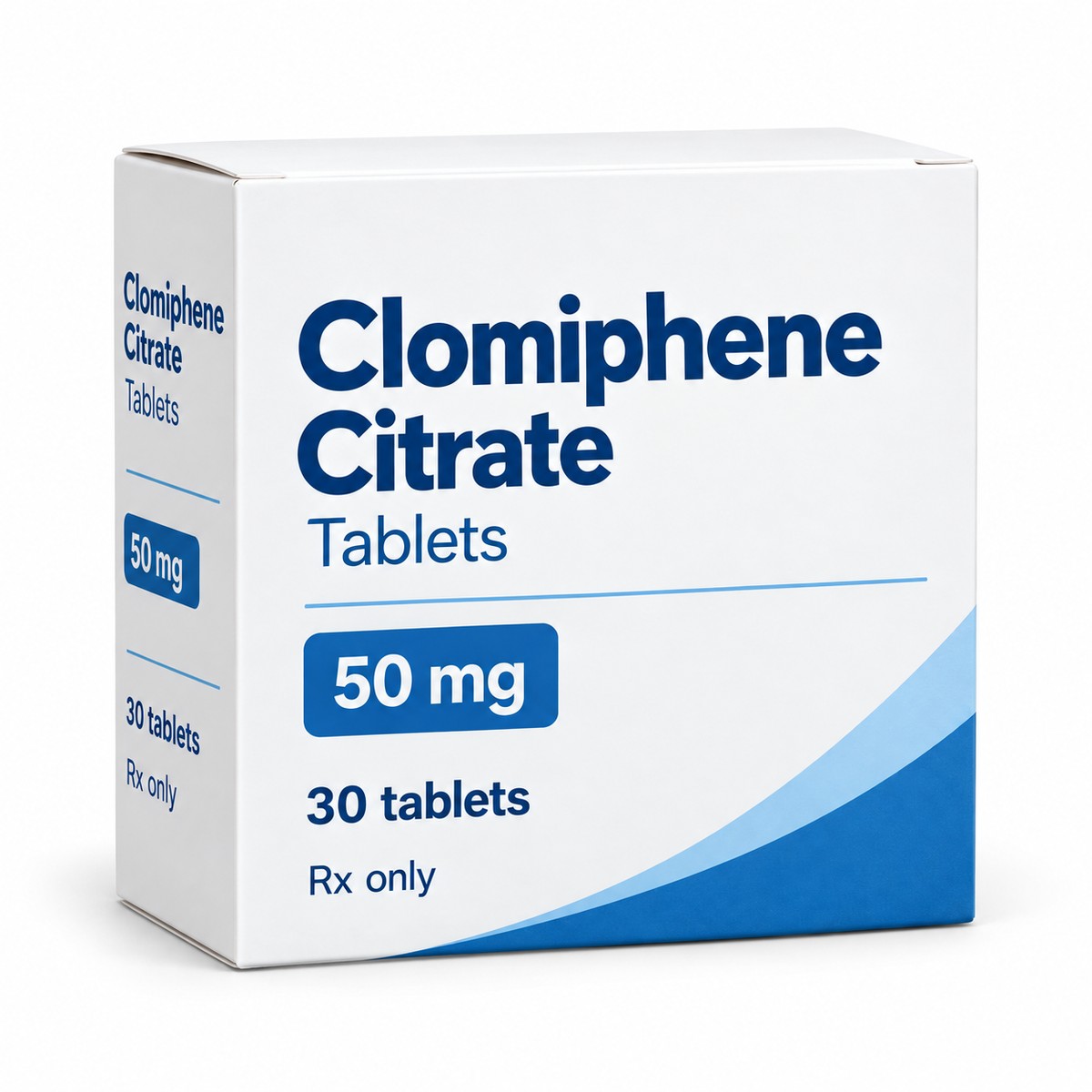
Clomiphene citrate, widely known by the former brand name Clomid, is an oral selective estrogen receptor modulator used to induce ovulation in women who are not ovulating regularly and who are trying to become pregnant. It has been part of fertility care for decades because it can stimulate the hormonal signals that encourage a follicle to mature and release an egg. In the United States, current prescription labeling describes clomiphene citrate as a treatment for ovulatory dysfunction in women who desire pregnancy after other barriers to conception have been evaluated.
The medication is most relevant when the central problem is anovulation or inconsistent ovulation rather than a completely unrelated cause of infertility. A person can have regular bleeding without releasing an egg consistently, and another person can have long or irregular cycles that make ovulation difficult to predict. Clomiphene is intended to address that ovulatory component. It is not a universal fertility drug, and it cannot correct every possible reason pregnancy has not occurred.
Before treatment is started, fertility care usually focuses on identifying whether ovulatory dysfunction is actually present and whether other factors need attention at the same time. Thyroid disease, adrenal disorders, elevated prolactin, tubal disease, uterine abnormalities, endometriosis, age-related changes in ovarian reserve, and male-factor infertility can all influence the chance of pregnancy. A medication that helps trigger ovulation will not overcome a blocked fallopian tube or a severe sperm abnormality, so an appropriate evaluation is part of choosing the right treatment.
Clomiphene is often discussed in patients with polycystic ovary syndrome, or PCOS, because PCOS commonly causes irregular or absent ovulation. However, current evidence-based PCOS guidance places letrozole ahead of clomiphene as first-line pharmacologic ovulation induction for many women with anovulatory PCOS and no other infertility factors. Clomiphene remains an established option, and its role may depend on individual history, clinician judgment, local availability, prior response, treatment goals, and whether metformin or another fertility approach is also being considered.
When Clomiphene May Be Considered
A clinician may consider clomiphene when testing and cycle history suggest that ovulation is absent, infrequent, or unreliable. The classic treatment target is ovulatory dysfunction in a patient who has adequate ovarian function and an intact hypothalamic-pituitary-ovarian axis. In practical terms, the ovaries must still be capable of responding to follicle-stimulating hormone and luteinizing hormone, and the pituitary and hypothalamus must be able to increase those signals after the medication changes estrogen feedback.
Irregular menstrual cycles are one common clue, but they are not enough by themselves to determine treatment. Cycle tracking, progesterone measurements, ovulation predictor testing, ultrasound, hormone testing, and medical history can help establish whether ovulation is occurring. The exact workup varies because a 25-year-old with infrequent periods and PCOS is a different clinical situation from a 39-year-old with shorter cycles, prior pelvic surgery, or concerns about ovarian reserve.
Clomiphene may also be used as part of a broader fertility plan rather than as a stand-alone intervention. Depending on the diagnosis, it can be paired with timed intercourse or used in monitored cycles. In some fertility settings, oral ovulation-induction medicines are coordinated with intrauterine insemination. The best approach depends on why conception has been difficult and on what the evaluation shows about ovulation, fallopian tubes, semen parameters, and reproductive age.
For unexplained infertility, treatment choices are different from treatment for documented anovulation. Evidence-based fertility guidance does not recommend clomiphene with timed intercourse alone as a treatment for unexplained infertility because it has not shown an advantage over expectant management in that specific situation. This distinction matters: the same medication can be useful for one infertility pattern and a poor fit for another.
Why a Fertility Evaluation Comes Before the Prescription
Clomiphene works on the ovulatory system, so the treatment plan should begin with a clear question: is failure to ovulate the problem being treated? If the answer is yes, the next question is whether there are conditions that make clomiphene unsafe or unlikely to work. Current labeling calls for patients to be nonpregnant, to have normal liver function, to have no unexplained abnormal uterine bleeding, and to have no ovarian cyst or ovarian enlargement unless the enlargement is related to PCOS.
The evaluation also looks for endocrine conditions that may require their own treatment. Uncontrolled thyroid or adrenal dysfunction is a contraindication, and an organic intracranial lesion such as a pituitary tumor is another reason clomiphene should not be started in the usual way. Hyperprolactinemia and primary ovarian or pituitary failure can also change the treatment strategy because clomiphene cannot substitute for therapy directed at another underlying disorder.
Pelvic assessment may be needed before treatment and before additional courses. In monitored fertility care, ultrasound can provide information about ovarian size, cysts, follicle development, and endometrial thickness. A clinician may also review prior pregnancies, miscarriages, ectopic pregnancy history, pelvic inflammatory disease, surgery, endometriosis, fibroids, and other factors that affect the chance and safety of pregnancy.
This preparation is not a formality. It is how clomiphene becomes a targeted fertility treatment rather than an unsupervised hormone experiment. The goal is not simply to take a tablet and hope for a positive pregnancy test. The goal is to create a cycle in which ovulation is likely, pregnancy has a realistic path to occur, avoidable risks are reduced, and the response can be reassessed before the next course.
| Clinical Situation | How Clomiphene Fits | What Usually Needs Review | Important Context |
|---|---|---|---|
| Anovulation | May be used to induce ovulation | Pregnancy status, ovarian function, endocrine causes | Best suited to documented ovulatory dysfunction |
| PCOS-related infertility | Established ovulation-induction option | Ultrasound findings, metabolic factors, other infertility causes | Current PCOS guidance often prefers letrozole first line |
| Irregular cycles | May help if irregularity reflects anovulation | Cycle history, thyroid, prolactin, ovarian reserve when appropriate | Irregular bleeding alone does not establish the diagnosis |
| Unexplained infertility | Not routinely recommended with timed intercourse alone | Tubal, ovarian, uterine, and male-factor evaluation | Treatment strategy differs from anovulatory infertility |
Virtual Women's Health and Prescription Services
Discuss cycle history, fertility concerns, medication questions, and prescription eligibility with a licensed provider. When telehealth is appropriate, a clinician can review your history, determine whether additional testing is needed, and explain the safest next step.
Start Virtual VisitHow Clomiphene Works to Trigger Ovulation
Clomiphene is a selective estrogen receptor modulator, often shortened to SERM. Its fertility effect begins with the way the brain interprets estrogen feedback. During a normal menstrual cycle, estrogen participates in a feedback system involving the hypothalamus, pituitary gland, and ovaries. Clomiphene binds to estrogen receptors and reduces the normal negative-feedback signal perceived at the hypothalamic-pituitary level. The brain responds as though estrogen signaling is lower than it actually is.
That altered feedback encourages the hypothalamus to increase gonadotropin-releasing hormone signaling. In response, the pituitary can increase secretion of follicle-stimulating hormone, or FSH, and luteinizing hormone, or LH. FSH supports follicular development in the ovary, while the evolving LH pattern contributes to ovulation and luteal function. When the system responds as intended, one or more follicles mature and an egg is released.
This mechanism explains why clomiphene depends on a functioning reproductive axis. If the pituitary cannot provide an appropriate gonadotropin response, or if the ovaries cannot respond to that signal, changing estrogen feedback may not produce ovulation. It also explains why treatment can sometimes recruit more than one follicle. A stronger FSH response may stimulate multiple follicles, which is one reason clomiphene increases the chance of multiple pregnancy compared with an untreated spontaneous cycle.
The effect is indirect. Clomiphene is not an FSH injection and is not simply replacing a missing hormone. Instead, it changes the regulatory signal so that the patient's own hypothalamus and pituitary increase stimulation of the ovaries. That is why baseline endocrine function, diagnosis, and ovarian responsiveness matter so much when the medication is selected.
Estrogen Feedback, FSH, and LH
Understanding the feedback loop makes the drug easier to understand. Estradiol produced by developing follicles normally communicates with the brain. Clomiphene occupies estrogen receptors in key parts of that system and can reduce the brain's perception of circulating estrogen. With less perceived estrogen feedback, the hypothalamus and pituitary increase the signals that support follicular recruitment.
The resulting rise in FSH can help a follicle progress toward maturity. As follicular development advances, ovarian estrogen production increases. The cycle then moves toward the hormonal events that allow ovulation to occur. In patients who respond well, this sequence creates a more predictable opportunity for conception than an anovulatory cycle in which no dominant follicle develops.
Clomiphene is a mixture of two geometric isomers, and the pharmacology is more complex than a short on-and-off switch. Some components persist in the body longer than others, which helps explain why cumulative exposure and treatment duration matter. The practical point is that more medication is not automatically better. Higher doses and repeated courses can increase adverse effects without guaranteeing a better fertility outcome.
For that reason, current prescribing information starts treatment at a lower dose and increases only when ovulation does not occur. Once ovulation has been achieved at a particular dose, increasing the dose in later cycles does not provide an established advantage. This stepwise approach is designed to find the lowest exposure that produces the intended ovarian response.
When Ovulation May Occur After a Course
Current U.S. labeling notes that ovulation most often occurs approximately 5 to 10 days after completion of a clomiphene course. That window is useful for planning follow-up and for deciding when ovulation testing or intercourse timing may be most informative. The exact day varies because cycle physiology, treatment start date, ovarian response, and the underlying cause of ovulatory dysfunction differ from one patient to another.
Some patients use urinary LH predictor kits, but these are not equally reliable in every hormonal pattern. PCOS can produce elevated or irregular LH levels that make some home tests confusing. Basal body temperature can confirm a temperature shift after ovulation but does not predict ovulation with perfect precision. Serum progesterone testing later in the cycle can provide evidence that ovulation occurred, and ultrasound monitoring can directly show follicle development when closer supervision is needed.
Cycle timing is therefore a combination of physiology and monitoring rather than a rigid calendar rule. A person with no recent uterine bleeding may be managed differently from someone who has spontaneous menses. A clinician may use spontaneous bleeding, progestin-induced bleeding, ultrasound findings, and prior response to decide when a course should begin and how the cycle should be tracked.
The purpose of monitoring is not to make fertility treatment unnecessarily complicated. It is to answer practical questions: did a follicle develop, did ovulation occur, were too many follicles recruited, did ovarian enlargement develop, is the endometrium appropriate, and is it safe and useful to repeat the same plan next month?
Clomiphene Dosage, Cycle Timing, and Forms
Clomiphene dosing should be individualized by a prescriber. The current U.S. prescription label for clomiphene citrate describes a starting regimen of 50 mg once daily for 5 days in an appropriately selected patient. When spontaneous or progestin-induced bleeding is used to define the start of the cycle, the labeled regimen is commonly started on or about cycle day 5. Treatment timing can differ in patients without recent bleeding, and fertility practices may use protocols adapted to the clinical situation.
If ovulation does not occur after the first course, the label permits a second course of 100 mg once daily for 5 days after pregnancy has been excluded and the patient has been reassessed. Increasing the dose beyond 100 mg per day or extending a course beyond 5 days is not recommended in the labeling. The medication should not be escalated simply because pregnancy did not occur if ovulation was already achieved at the lower dose.
The number of treatment cycles is also limited. The label states that long-term cyclic therapy is not recommended beyond a total of about six cycles, and further treatment is not recommended when three ovulatory responses have occurred without pregnancy. If ovulation does not occur after three courses, reevaluation is recommended rather than indefinite dose escalation. These limits reflect both diminishing usefulness and concern about unnecessary cumulative exposure.
Patients sometimes see online listings for 25 mg, 50 mg, and 100 mg tablets. Current U.S. DailyMed prescription labels commonly describe 50 mg clomiphene citrate tablets, while international or online product listings may show other strengths or tablet presentations. A listed strength should not be interpreted as a recommended dose. The prescribed daily dose, tablet combination, and cycle schedule should come from the treating clinician and the specific product label dispensed by the pharmacy.
The Standard 5-Day Treatment Concept
The five-day course is designed to create a short period of altered estrogen feedback that stimulates the reproductive axis without continuous exposure throughout the entire cycle. After the final tablet, the ovaries continue responding to the hormonal environment that has been created. Follicular growth can continue for several days, and ovulation may follow later in the cycle.
A short course also makes the response easier to evaluate. If the patient ovulates, the clinician has evidence that the reproductive axis responded. If there is no ovulation, the dose or treatment strategy can be reconsidered. If the ovaries become enlarged or significant adverse effects appear, the next course can be delayed or changed rather than automatically repeated.
Cycle instructions should be written clearly because fertility treatment is very sensitive to timing. Patients should know the exact first day of medication, number of treatment days, planned monitoring, and what to do if a dose is missed. A missed dose should not automatically be doubled. Because timing matters, the safest approach is to contact the prescriber or dispensing pharmacist for individualized instructions rather than improvising a correction.
Similarly, the timing of intercourse or insemination should be based on the treatment plan. Some cycles use home ovulation testing, some use ultrasound and a trigger medication, and others use a predicted fertile window. The medication creates an opportunity for ovulation, but successful fertility treatment also depends on the rest of the reproductive plan.
25 mg, 50 mg, and 100 mg Listings
Online medication catalogs may list clomiphene in several strengths, including 25 mg, 50 mg, and 100 mg. Those listings can be useful when comparing cash prices, but they should be separated from clinical dosing guidance. In U.S. labeling, 50 mg tablets are a common marketed presentation, and a 100 mg daily dose can be achieved with two 50 mg tablets when prescribed. A commercial 100 mg tablet listing does not change the labeled maximum daily regimen.
The 25 mg strength may appear in international or compounded contexts and is sometimes discussed when a clinician wants lower-dose exposure, but a patient should not split, combine, or substitute tablet strengths without confirming that the product and dose match the prescription. Tablet scoring, formulation, manufacturer, and local approval status can differ.
Medication names also vary. Clomiphene is the generic drug name, clomiphene citrate refers to the citrate salt used in tablets, and Clomid is a well-known brand name. Other international brand names exist. Regardless of the name printed on the package, the active ingredient, tablet strength, manufacturer, expiration date, dispensing pharmacy, and prescription directions should be checked before use.
For a clinic page, the important distinction is straightforward: price tables describe product listings, while the treatment section describes clinician-directed therapy. They are related, but they are not interchangeable.
| Treatment Point | Label-Based Information | Why It Matters |
|---|---|---|
| Initial course | 50 mg once daily for 5 days | Starts with the lowest standard labeled dose |
| If ovulation does not occur | A later course may use 100 mg once daily for 5 days after reassessment | Dose escalation is based on ovulatory response, not simply lack of pregnancy |
| Maximum labeled course | More than 100 mg/day for 5 days is not recommended | Higher exposure can increase risk without established added benefit |
| Total duration | Long-term cyclic therapy beyond about six cycles is not recommended | Persistent nonresponse calls for reevaluation rather than indefinite repetition |
How Virtual Care Works
Start Your Visit
Provide your cycle history, fertility goals, current medications, prior testing, and relevant medical history.
Consult With a Provider
A licensed clinician reviews whether telehealth is appropriate and whether in-person examination, ultrasound, or laboratory testing is needed.
Receive a Treatment Plan
If ovulatory dysfunction is confirmed, the clinician explains medication options, cycle timing, monitoring, and follow-up.
Fill an Eligible Prescription
When clomiphene is clinically appropriate, the prescription can be sent to a licensed pharmacy according to applicable state and federal requirements.
Clomiphene for PCOS and Ovulatory Dysfunction
PCOS is one of the most common reasons clomiphene enters a fertility conversation. The syndrome can disrupt normal follicular development and lead to infrequent or absent ovulation. Some patients have long cycles, some skip periods for months, and others have bleeding that does not correspond to predictable ovulation. If pregnancy is the goal, restoring an ovulatory cycle becomes an important part of treatment.
Clomiphene historically served as a first-line oral ovulation-induction medication for PCOS and is still widely recognized for this role. However, treatment standards have evolved. The 2023 international evidence-based PCOS guideline recommends letrozole as the preferred first-line pharmacologic option for infertile anovulatory women with PCOS when there are no other infertility factors. That recommendation does not make clomiphene obsolete; it means the choice should reflect current evidence rather than older habit alone.
Clomiphene may still be used when letrozole is not appropriate, not available, not tolerated, or not selected for other clinical reasons. It may also be considered in combination with metformin in selected patients. Guideline recommendations note that clomiphene can be more effective than metformin alone for improving ovulation, clinical pregnancy, and live birth in women with PCOS and anovulatory infertility, while combined clomiphene and metformin can be useful in some circumstances.
The main tradeoff is that clomiphene can stimulate more than one follicle, which increases the chance of multiple pregnancy. For this reason, some cycles require ultrasound monitoring. Monitoring can identify the number and size of developing follicles and help the clinician decide whether proceeding with intercourse or insemination is appropriate.
Clomiphene Compared With Letrozole
Letrozole and clomiphene both can stimulate ovulation, but they act differently. Clomiphene modulates estrogen receptors, while letrozole temporarily reduces estrogen synthesis by inhibiting the aromatase enzyme. Both approaches can increase gonadotropin signaling, but the hormonal environment and effects on the endometrium and cervical mucus are not identical.
For anovulatory infertility associated with PCOS, current international guidance gives letrozole the stronger first-line position because evidence supports better ovulation, clinical pregnancy, and live-birth outcomes in that population. Clomiphene remains a valid alternative and may be selected based on prior treatment, contraindications, patient preference, access, cost, or clinician experience.
No single fertility drug is best for every diagnosis. If a person is ovulating normally and the problem is tubal disease, severe male-factor infertility, or another nonovulatory cause, changing between clomiphene and letrozole may not address the real barrier. That is why the medication comparison should come after a diagnostic framework, not before it.
The same principle applies to repeated treatment. A patient who does not ovulate on an appropriate clomiphene course needs reassessment. A patient who ovulates repeatedly but does not conceive may need the broader fertility plan reassessed. Continuing the same tablet for more months is not automatically the next best step.
Clomiphene and Metformin
Metformin is primarily an insulin-sensitizing medication, but it has a role in PCOS because insulin resistance and metabolic dysfunction are common features of the syndrome. In some patients, improving insulin-related physiology can support more regular ovulatory function. For infertility specifically, current PCOS guidance recognizes that clomiphene can outperform metformin alone for ovulation and pregnancy outcomes in anovulatory PCOS, while combination treatment can be considered in selected cases.
The decision to combine therapies depends on the patient's metabolic profile, cycle pattern, prior ovulation-induction response, gastrointestinal tolerance, and fertility goals. Metformin is not simply added to every clomiphene prescription, and clomiphene is not automatically used in every patient taking metformin. Each medication addresses a different part of the clinical picture.
Preconception care also matters. Blood pressure, diabetes risk, weight-related health factors, smoking, alcohol use, folic acid intake, vaccinations, and chronic medications all affect pregnancy planning. A fertility prescription is only one piece of a larger health plan designed to support conception and pregnancy safely.
For patients with PCOS, this broader approach is especially important because reproductive, metabolic, and cardiovascular risks can overlap. The most useful fertility visit is therefore not just a discussion about getting Clomid. It is an opportunity to identify the treatment strategy that fits the entire clinical picture.
Testing and Monitoring During Treatment
Monitoring during clomiphene treatment ranges from relatively simple cycle tracking to detailed ultrasound and laboratory assessment. The intensity of monitoring depends on diagnosis, prior response, age, fertility history, ovarian appearance, dose, and whether the medication is being used with intercourse or an assisted reproductive procedure. The purpose is to confirm that the medication is working while reducing avoidable risk.
Before a cycle begins, pregnancy should be excluded. This is essential because clomiphene is contraindicated during pregnancy and offers no therapeutic benefit once conception has already occurred. A clinician also needs to know whether ovarian enlargement or a cyst is present, whether there is unexplained abnormal uterine bleeding, and whether liver, thyroid, adrenal, or pituitary conditions could make treatment inappropriate.
During the cycle, ovulation can be assessed in several ways. Home LH testing may provide a predicted surge in some patients. Mid-luteal serum progesterone can support evidence that ovulation occurred. Ultrasound can show the number and size of growing follicles and can also identify excessive ovarian response. Depending on the plan, ultrasound may be especially useful when there is concern about multiple follicles or when prior cycles have produced an exaggerated response.
Monitoring after the course is just as important as monitoring before it. New pelvic pain, marked bloating, rapid weight gain, visual changes, or significant nausea and vomiting should not be dismissed as routine fertility symptoms. Those findings can signal ovarian enlargement, ovarian hyperstimulation, or another complication that warrants prompt medical review.
What May Be Reviewed Before Treatment
A fertility evaluation is individualized, but common elements include menstrual history, pregnancy history, medication review, pelvic history, physical examination when indicated, and targeted laboratory testing. Thyroid-stimulating hormone and prolactin may be checked when cycle patterns suggest endocrine disruption. Ovarian reserve testing may be considered depending on age and fertility history. Semen analysis and evaluation of tubal patency may also be important because successful ovulation does not guarantee that sperm and egg can meet.
Patients with abnormal uterine bleeding require evaluation before clomiphene is used. The purpose is to identify the source of bleeding rather than assume it is simply part of an irregular cycle. Patients with liver disease or a history of liver dysfunction should not receive clomiphene under the labeling. Uncontrolled thyroid or adrenal dysfunction also needs to be addressed first.
Current labeling calls for pelvic examination before treatment and before subsequent courses. In modern fertility practice, ultrasound often adds useful information because it can characterize ovarian cysts, ovarian size, follicle development, and the uterine lining. A clinician may tailor this approach based on the patient's age, diagnosis, symptoms, and treatment setting.
These steps are particularly important when patients have obtained fertility medication information online. A list of doses and cycle days is not a substitute for confirming that the diagnosis and safety conditions match the medication.
How Ovulation Is Confirmed
One of the central questions after a clomiphene cycle is whether ovulation occurred. Menstrual bleeding alone is not always a reliable answer, especially in PCOS. A serum progesterone level in the luteal phase can provide objective evidence of ovulation. Ultrasound can show follicular growth and later evidence that the dominant follicle has changed after ovulation. Home LH kits can be convenient, but they may be less straightforward in patients with chronically elevated LH.
Confirmation helps guide the next cycle. If no ovulation occurred, a dose adjustment or different medication may be considered. If ovulation occurred at 50 mg, there is no established reason to increase simply to make the treatment feel stronger. If multiple mature follicles developed, the clinician may reduce the next dose or alter the plan to lower multiple-pregnancy risk.
Ovulation confirmation also prevents endless empiric treatment. If a patient has several documented ovulatory cycles without pregnancy, the focus should return to the overall fertility evaluation. Tubal factors, sperm quality, uterine factors, age-related egg quality, and the timing or method of conception may need further attention.
This feedback loop is what makes supervised clomiphene treatment rational: prescribe, observe the ovarian response, confirm the outcome, and adjust based on evidence rather than assumption.
Side Effects, Warnings, and Contraindications
Clomiphene is an established fertility medication, but it is not a casual supplement. Its effects on estrogen signaling and ovarian stimulation can produce symptoms ranging from mild hot flashes to clinically significant ovarian enlargement and visual disturbances. The risk profile should be discussed before the first course because some adverse effects require treatment to stop rather than simply be tolerated.
Commonly reported effects in clinical labeling include ovarian enlargement, vasomotor flushing, abdominal or pelvic discomfort and bloating, nausea and vomiting, breast discomfort, headache, abnormal uterine bleeding, and visual symptoms. Some patients experience mood changes or feel more emotionally reactive during fertility treatment, although emotional symptoms can also reflect the stress and hormonal changes surrounding infertility itself.
Visual symptoms deserve particular attention. Blurred vision, spots, flashes, afterimages, scotomata, or other visual disturbances can occur, and the likelihood rises with greater total exposure or longer treatment. Most reported visual effects are reversible, but prolonged and possibly irreversible disturbances have been described. Current labeling instructs patients who develop visual symptoms to stop treatment and undergo prompt ophthalmologic evaluation.
Ovarian enlargement can occur during or shortly after treatment. Mild enlargement may resolve after the medication is stopped, but severe pain, progressive distention, rapid weight gain, shortness of breath, persistent vomiting, or reduced urine output can signal ovarian hyperstimulation syndrome and require urgent assessment. Although severe OHSS is more commonly associated with injectable gonadotropins, it has been reported with clomiphene, including in combination regimens.
Common Side Effects
Hot flashes are among the best-known clomiphene symptoms. They reflect the medication's antiestrogenic effects in parts of the body and can feel similar to short bursts of warmth experienced during hormonal transitions. Headache, nausea, breast tenderness, pelvic pressure, bloating, and spotting can also occur during a treatment cycle.
Some symptoms overlap with normal ovulation and early pregnancy, which can make interpretation difficult. Pelvic fullness may reflect follicular growth, while breast tenderness or fatigue can occur for many reasons. The important distinction is severity, persistence, and progression. Mild symptoms that remain stable are different from rapidly increasing abdominal pain, marked distention, breathing difficulty, or visual changes.
Patients should also know that fertility medications can affect daily functioning. A severe headache or visual disturbance can make driving unsafe. Significant pelvic pain can signal ovarian enlargement. Emotional strain can become more noticeable when treatment is repeated month after month. Reporting these symptoms helps the care team decide whether the current regimen still makes sense.
A side effect is not something a patient must simply endure to prove commitment to fertility treatment. Effective care uses the lowest useful dose, monitors response, and changes course when the burden of treatment is greater than the expected benefit.
Visual Symptoms
Clomiphene-related visual symptoms are important because they can be more than temporary inconvenience. Patients have reported blurred vision, flashes, spots, light sensitivity, persistent afterimages, scotomata, and other changes. The labeling notes that these effects are more likely with increasing total dose or longer duration of treatment and that some cases have persisted after the drug was discontinued.
If a visual change occurs, the appropriate response is not to take another tablet and wait for the symptom to disappear. Treatment should be stopped and the prescriber should be contacted. A complete ophthalmologic evaluation may be needed, particularly when symptoms are persistent, recurrent, or severe.
Driving and other activities that depend on rapid visual adaptation can become hazardous while symptoms are present, especially in changing light. This is one reason online self-treatment is risky: a patient may not know which symptom crosses the threshold from expected side effect to stop-treatment warning.
Patients with a history of previous clomiphene-related visual disturbance should make that history clear before any future course is considered. Re-exposure is not a decision to make without medical review.
Ovarian Enlargement and Ovarian Hyperstimulation Syndrome
Because clomiphene stimulates the ovary, ovarian enlargement is a predictable biological risk. The ovaries may become larger as follicles develop, and patients can feel pelvic pressure or discomfort. When enlargement becomes excessive or is accompanied by systemic symptoms, the concern shifts toward ovarian hyperstimulation syndrome.
Early warning features described in labeling include abdominal pain and distention, nausea, vomiting, diarrhea, and weight gain. Severe OHSS can involve fluid shifts, ascites, breathing difficulty, reduced urine output, low blood pressure, blood clots, ovarian torsion, kidney problems, and other serious complications. These severe outcomes are uncommon but explain why rapidly worsening symptoms should receive urgent medical attention.
PCOS can increase sensitivity to ovarian stimulation in some patients. The label therefore emphasizes using the lowest recommended dose and shortest treatment duration in patients who may have an exaggerated gonadotropin response. Ultrasound monitoring can be especially useful when the clinical history suggests a higher chance of multifollicular development.
If ovarian enlargement occurs, further clomiphene should be withheld until the ovaries return toward baseline. The next course, if treatment is continued at all, may need a lower dose or a different strategy. Continuing the same regimen without reassessment can turn a warning sign into a larger problem.
Multiple Pregnancy
Clomiphene increases the chance that more than one follicle will mature in a cycle. That creates a higher chance of twins and, less commonly, higher-order multiple pregnancy compared with spontaneous conception. Multiple pregnancy can be desired by some patients emotionally, but medically it carries higher risks for the pregnant patient and the babies, including preterm birth and pregnancy complications.
This risk is one reason fertility clinicians pay attention to follicle number rather than only asking whether any follicle grew. A cycle with an appropriate single dominant follicle is different from a cycle with several mature follicles. In monitored treatment, the number and size of follicles may influence whether the clinician recommends proceeding with intercourse or insemination.
Patients should be counseled about this possibility before treatment, not after an ultrasound shows more than one gestational sac. The goal of ovulation induction is usually a healthy singleton pregnancy, not maximal ovarian stimulation.
Clomiphene also does not eliminate the possibility of ectopic pregnancy. Anyone who becomes pregnant after fertility treatment and develops one-sided pelvic pain, shoulder pain, heavy bleeding, dizziness, or fainting should seek urgent medical evaluation.
Who Should Not Use Clomiphene
Current U.S. labeling lists several clear contraindications. Clomiphene should not be used during pregnancy, in patients with known hypersensitivity to the drug or its ingredients, in patients with liver disease or a history of liver dysfunction, in patients with unexplained abnormal uterine bleeding, or in patients with an ovarian cyst or ovarian enlargement not attributable to PCOS.
Uncontrolled thyroid or adrenal dysfunction is another contraindication. An organic intracranial lesion such as a pituitary tumor also changes the treatment approach. These conditions matter because clomiphene relies on a functioning endocrine feedback system and because some underlying disorders need direct diagnosis and treatment rather than ovarian stimulation.
Primary ovarian failure and primary pituitary failure are examples of situations in which clomiphene may not provide the desired response even if they are not framed in exactly the same way as a standard contraindication. The medication cannot create ovarian reserve or replace gonadotropin function that is absent for another reason.
A complete medication and health history should therefore be reviewed before each new course, especially if there has been a change in bleeding pattern, new pelvic pain, a new diagnosis, or pregnancy is possible.
Interactions and Other Medicines to Discuss
The current clomiphene label does not document a defined list of classic drug-drug interactions in the same way that many medications do. That does not mean medication review is unnecessary. Fertility treatment occurs in a hormonal and reproductive context, so other prescription drugs, supplements, endocrine therapies, and chronic medical treatments can affect whether clomiphene is appropriate or how the cycle should be monitored.
Hormonal contraceptives, estrogen-containing therapies, fertility injections, progesterone, letrozole, metformin, thyroid medication, dopamine agonists used for prolactin disorders, and medications that affect liver function may all be relevant to the clinical plan even if they do not represent a formal metabolic interaction with clomiphene. The key question is whether another treatment changes the diagnosis, hormone environment, cycle timing, or safety of ovulation induction.
Patients should also disclose over-the-counter products and supplements marketed for fertility, hormone balance, testosterone support, or bodybuilding. Some products contain undeclared or pharmacologically active ingredients, and combining them with a prescription SERM can create an unpredictable endocrine picture. The same is true for nonprescribed anabolic-androgenic steroids and post-cycle regimens.
Alcohol is not listed as a specific pharmacologic interaction in the clomiphene label, but fertility treatment is a preconception setting. A clinician may recommend limiting or avoiding alcohol based on pregnancy planning and overall reproductive health rather than because of a direct clomiphene reaction.
Combining Clomiphene With Other Fertility Drugs
Clomiphene can be used within more complex fertility protocols, but combination therapy should be directed by a fertility clinician. Adding gonadotropins can substantially change ovarian stimulation and the risk of multifollicular development. Combining clomiphene with metformin may be useful in selected patients with PCOS. Other protocols may use a trigger injection once a follicle reaches an appropriate size.
The fact that combination strategies exist should not be read as permission to build a regimen from separate online sources. Fertility drugs can amplify one another. The number of follicles, estradiol response, ovarian size, and timing of ovulation all influence whether a cycle is safe to continue.
When more than one medication is being used, patients should have one coordinated treatment plan and one clinician or fertility team who can see the complete regimen. Fragmented prescribing increases the risk that one prescriber does not know what another medication is doing to the same hormonal axis.
Good fertility care is coordinated care. That principle matters more than whether the medications were prescribed in person or through telehealth.
Liver and Metabolic Considerations
Clomiphene is contraindicated in patients with liver disease or a history of liver dysfunction. That history should be discussed before treatment, particularly when the patient has chronic liver disease, unexplained abnormal liver tests, or takes other medications with significant hepatic effects.
The label also reports cases of hypertriglyceridemia, with higher risk described in patients who have a personal or family history of hyperlipidemia and in those exposed to higher-than-recommended doses or longer treatment duration. Pretreatment triglyceride screening and periodic monitoring may be appropriate when risk factors are present.
Pancreatitis has also been reported. Severe persistent upper abdominal pain, especially with vomiting, warrants medical evaluation rather than attribution to ordinary fertility-related bloating.
These warnings reinforce the value of taking a full medical history. Clomiphene may be prescribed for reproduction, but its effects and safety are not limited to the reproductive organs.
How to Access Clomiphene Online by Prescription
Clomiphene is a prescription medication in the United States. A legitimate online process begins with medical evaluation rather than a checkout page that treats the drug like a nonprescription product. Telehealth can be a convenient route when the clinician is licensed to care for the patient in the relevant jurisdiction and when the evaluation can be performed safely without omitting necessary in-person examination, imaging, or laboratory testing.
For fertility care, virtual evaluation is especially useful for history review, cycle discussion, medication counseling, and follow-up, but some parts of treatment may still require local services. Pelvic ultrasound, pregnancy testing, laboratory testing, and physical examination cannot always be replaced by a video visit. A responsible telehealth plan explains when those services are necessary instead of pretending that every fertility question can be answered remotely.
If clomiphene is prescribed, the prescription should be sent to a licensed pharmacy that can provide the exact product, strength, manufacturer information, directions, and pharmacist counseling. Patients should be able to identify the dispensing pharmacy and contact it with questions. Medication should arrive in labeled packaging with a prescription label, expiration information, and traceable manufacturer details.
Websites that advertise prescription clomiphene without any prescription or clinical review should be treated cautiously. Skipping diagnosis and monitoring removes the safeguards that determine whether the patient is pregnant, whether ovarian cysts are present, whether the dose is appropriate, and whether warning symptoms require treatment to stop.
What a Legitimate Online Prescription Process Looks Like
A lawful telehealth workflow starts with identity and location verification, medical history, current medications, fertility history, and review of relevant symptoms and prior testing. The provider should explain the diagnosis being treated, alternatives to clomiphene, the expected treatment cycle, and the situations that require in-person evaluation.
The clinician should also discuss pregnancy testing, cycle timing, and monitoring. Fertility treatment is not equivalent to obtaining a refill for a stable chronic medication. The response changes from cycle to cycle, and a dose that was appropriate previously may need to be held if ovarian enlargement, a cyst, or a new pregnancy is present.
The pharmacy stage should be transparent. Patients should know where the prescription was sent and should have access to a pharmacist. If a pharmacy substitutes a different manufacturer or tablet appearance, the label should still clearly identify clomiphene citrate and the strength.
A legitimate service also gives patients a way to reach the care team for adverse effects. A fertility prescription without follow-up is incomplete care, particularly when visual symptoms, severe pelvic pain, or possible OHSS can require prompt action.
Why Prescription-Free Offers Are a Problem
Clomiphene can look deceptively simple because it is an oral tablet taken for only a few days. The medical risk is not defined by the size of the pill. The medication can recruit multiple follicles, enlarge the ovaries, cause visual disturbances, and be inappropriate in pregnancy, liver disease, unexplained uterine bleeding, certain ovarian conditions, and uncontrolled endocrine disorders.
A no-prescription sales model bypasses the very steps that determine whether those risks are present. It also makes it harder to know whether the listed tablet strength corresponds to a product approved in the patient's country and whether the product came through a regulated supply chain.
Price comparison can still be useful, but the lowest number on a medication page should not be the only factor. Pharmacy licensing, prescription requirements, manufacturer traceability, product labeling, privacy protections, and access to pharmacist support are part of the value of a legitimate dispensing process.
For patients seeking convenience, the better goal is not to remove the prescription step. It is to make the prescription process efficient while keeping the medical safeguards that fertility treatment requires.
Clomiphene Pricing and Package Options
Clomiphene prices vary by strength, quantity, manufacturer, pharmacy, insurance coverage, and country. The package prices below are reference online listings captured from the requested source and are included for comparison. They are not a guarantee that the same strength, quantity, manufacturer, or price will be available through a U.S. licensed pharmacy, and they do not replace the prescription directions provided by the treating clinician.
One important detail is that the source lists 25 mg, 50 mg, and 100 mg products, while current U.S. DailyMed labels commonly identify 50 mg clomiphene citrate tablets. Product strength availability therefore should be verified with the dispensing pharmacy. A clinician may prescribe a daily dose that is achieved with one or more tablets, but the patient should not change the tablet strength or number of tablets based on price alone.
Clomiphene Citrate 100 mg Price Reference
| Package | Strength | Total Price | Price per Pill |
|---|---|---|---|
| 30 pills | 100 mg | $33.72 | $1.12 |
| 60 pills | 100 mg | $54.61 | $0.91 |
| 90 pills | 100 mg | $72.79 | $0.81 |
| 120 pills | 100 mg | $89.17 | $0.74 |
| 180 pills | 100 mg | $125.54 | $0.70 |
| 270 pills | 100 mg | $179.19 | $0.66 |
| 360 pills | 100 mg | $226.54 | $0.63 |
Clomiphene Citrate 50 mg Price Reference
| Package | Strength | Total Price | Price per Pill |
|---|---|---|---|
| 30 pills | 50 mg | $29.93 | $1.00 |
| 60 pills | 50 mg | $46.48 | $0.77 |
| 90 pills | 50 mg | $59.41 | $0.66 |
| 120 pills | 50 mg | $73.25 | $0.61 |
| 180 pills | 50 mg | $105.43 | $0.59 |
| 270 pills | 50 mg | $145.14 | $0.54 |
| 360 pills | 50 mg | $187.55 | $0.52 |
Clomiphene Citrate 25 mg Price Reference
| Package | Strength | Total Price | Price per Pill |
|---|---|---|---|
| 60 pills | 25 mg | $30.49 | $0.51 |
| 90 pills | 25 mg | $40.75 | $0.45 |
| 120 pills | 25 mg | $51.90 | $0.43 |
| 180 pills | 25 mg | $73.31 | $0.41 |
| 270 pills | 25 mg | $105.89 | $0.39 |
| 360 pills | 25 mg | $138.44 | $0.38 |
What Affects Clomiphene Cost
The final price of clomiphene can differ substantially from a reference catalog. U.S. cash prices depend on manufacturer, pharmacy contracts, local inventory, discount programs, and the quantity actually prescribed. Insurance plans may cover generic clomiphene differently, and some fertility-related medications or services may fall under separate benefit rules.
Quantity has a strong effect on the per-tablet price in many online listings. Larger packages often have a lower unit cost, but fertility therapy is generally prescribed in short cycles rather than as unlimited continuous treatment. Purchasing a large quantity solely because the unit price is lower may not make sense if the treatment plan is expected to change after one or two monitored cycles.
Strength is another factor. A 100 mg daily regimen does not necessarily require a 100 mg tablet if the prescribed product is 50 mg. The prescriber's directions and the pharmacy's dispensed strength determine how the daily dose is taken. Price should be compared only after confirming that the product matches the prescription.
For many patients, the larger cost of fertility treatment is not the tablet itself but the evaluation, ultrasound monitoring, laboratory testing, or assisted reproduction services that may accompany it. Looking at the complete treatment cost provides a more realistic financial picture than comparing tablet prices in isolation.
Start Your Virtual Visit Today
Discuss irregular ovulation, PCOS, fertility medication questions, and prescription eligibility with a licensed provider. If clomiphene is appropriate, your treatment plan can include cycle timing, monitoring, and pharmacy coordination.
Start Virtual VisitWhat to Expect During a Clomiphene Cycle
A clomiphene cycle has several distinct phases: preparation, the five-day medication course, follicular development after the last dose, ovulation, and then the luteal phase while waiting to see whether pregnancy occurred. Understanding those phases helps patients know what information is useful and prevents every symptom from being interpreted as either treatment failure or pregnancy.
During the medication days, some patients notice hot flashes, headache, pelvic awareness, breast discomfort, nausea, or mood changes. Others feel very little. Symptom intensity does not reliably predict whether ovulation will occur. A patient can have noticeable side effects and still fail to ovulate, or have almost no symptoms and respond well.
After the final tablet, follicular development continues. Ovulation most often occurs several days later rather than during the five days of medication. This is the phase when home LH testing, ultrasound, or planned intercourse may become relevant depending on the treatment protocol. If a trigger injection or insemination is part of the plan, the clinic provides specific timing rather than relying on a generic calendar.
Once ovulation has occurred, the next step is usually observation and pregnancy testing at the appropriate time. Testing too early can create confusion. A clinician may also schedule a progesterone test or follow-up visit to document that the cycle was ovulatory and decide whether the same dose should be used again.
The First Treatment Cycle
The first cycle is often treated as both therapy and a response test. The starting dose is intended to determine whether the ovaries respond adequately without excessive stimulation. If ovulation occurs, that response provides useful information for the next cycle. If there is no ovulation, the clinician may consider the label-based dose increase or may reassess the diagnosis and monitoring data.
Patients should not judge the entire treatment after the first few medication days. The drug's purpose is to influence the later ovulatory process. Likewise, pregnancy is not guaranteed simply because ovulation occurred. Fertilization, embryo development, tubal transport, and implantation all have to occur successfully.
Keeping a simple cycle record can help. Useful details include the first day of bleeding, medication dates, home LH results if used, ultrasound dates, intercourse or insemination timing when relevant, side effects, and the date of the next period or pregnancy test. This information makes the follow-up visit more concrete.
The first cycle is also the right time to learn which symptoms require immediate contact. Visual changes, severe or increasing pelvic pain, rapid abdominal distention, shortness of breath, fainting, or significant vomiting are not symptoms to save for the next scheduled visit.
If Clomiphene Does Not Produce Ovulation
Failure to ovulate on the initial 50 mg course does not automatically mean clomiphene will never work. The U.S. label describes a later 100 mg daily course for five days in patients who did not ovulate on the initial regimen, provided pregnancy has been excluded and the patient has been reassessed.
However, repeated nonresponse changes the clinical question. If ovulation does not occur after three courses, the labeling recommends reevaluation rather than continued clomiphene. The diagnosis may need to be reconsidered, or a different ovulation-induction strategy may be more appropriate.
In PCOS, letrozole may be preferred as another oral option, especially under current guideline-based care. Gonadotropin therapy is another possibility in selected patients but requires more intensive monitoring because the chance of multifollicular development and OHSS is greater. Assisted reproductive technologies may be considered depending on age, duration of infertility, tubal status, semen results, and prior treatment.
A treatment that does not work is still clinically useful information. It narrows the range of likely effective approaches and helps the care team decide what to change next.
If Ovulation Occurs but Pregnancy Does Not
Clomiphene's immediate goal is ovulation, not a guaranteed pregnancy. If ovulation is confirmed but conception does not occur, the clinician should consider the entire fertility picture. Timing may be adjusted, semen analysis may be reviewed, tubal patency may need evaluation, uterine factors may be investigated, or a different treatment method may be recommended.
The U.S. label states that if three ovulatory responses occur without pregnancy, further clomiphene treatment is not recommended. This is an important boundary because it prevents a patient from repeating the same strategy indefinitely when the limiting factor may lie elsewhere.
Age also matters. The value of spending additional months on the same oral treatment may be different for a younger patient with recently diagnosed anovulation than for an older patient with reduced ovarian reserve or a longer history of infertility. Treatment should reflect both biological time and the probability that another cycle will change the outcome.
A fertility plan is successful when it adapts to new information. Ovulation without pregnancy is not simply a reason to increase the clomiphene dose; it is a reason to reassess what the next most informative and effective step should be.
Clomiphene Use in Men
Clomiphene is best known as a women's fertility medication, but clinicians also use it off-label in selected men. By blocking estrogen feedback at the hypothalamic-pituitary level, clomiphene can increase LH and FSH. In men with an intact hypothalamic-pituitary-gonadal axis, increased LH can stimulate the testes to produce more endogenous testosterone, while FSH may support spermatogenesis.
This use is off-label. Current U.S. clomiphene labeling states that adequate well-controlled studies have not established effectiveness for male infertility. At the same time, urology and reproductive-medicine literature describes clomiphene as an option in selected men with low testosterone who wish to preserve fertility, because exogenous testosterone can suppress sperm production.
That distinction is important. Clomiphene in men is not the same as taking a standard testosterone replacement product, and it is not a universal treatment for low testosterone. The response depends on baseline LH, pituitary function, testicular function, fertility goals, symptoms, and the underlying reason testosterone is low. Laboratory monitoring is part of responsible treatment.
Clomiphene is also discussed online in bodybuilding communities as part of so-called post-cycle therapy after anabolic-androgenic steroid use. Unsupervised post-cycle protocols are not an FDA-approved use of clomiphene, and there is no single validated regimen that can be safely applied to everyone. Anabolic steroid withdrawal can involve endocrine suppression and other medical risks, so evaluation by an endocrinology, urology, or men's health clinician is more appropriate than self-directed dosing from forum protocols.
Male Fertility and Testosterone Preservation
Men who need treatment for symptomatic low testosterone but also want to preserve fertility face a specific problem: exogenous testosterone can suppress pituitary LH and FSH and reduce intratesticular testosterone, which can lower sperm production. A SERM such as clomiphene takes a different approach by encouraging the body's own gonadotropin signaling rather than replacing testosterone from outside the body.
This makes clomiphene potentially useful in selected men with functional central hypogonadism or fertility concerns, but only when the pituitary and testes can respond. It is not expected to correct every form of primary testicular failure. Baseline hormone testing and semen analysis can help determine whether the treatment goal is realistic.
Men should also be told that the evidence base and labeling differ from use in women. A medication can be commonly used off-label and still require careful consent about uncertainty, alternatives, and monitoring.
For a women's health page, this male-use section is included because patients frequently encounter conflicting information online. The primary FDA-labeled reproductive indication remains ovulatory dysfunction in women desiring pregnancy.
Frequently Asked Questions About Clomiphene Citrate
Is Clomid the same as clomiphene citrate?
Clomid is a well-known brand name for clomiphene citrate. Clomiphene citrate is the generic drug name used on many current prescriptions. Patients may also encounter international brand names. The important information is the active ingredient, tablet strength, manufacturer, and prescription directions.
What is clomiphene prescribed for?
In U.S. labeling, clomiphene citrate is indicated for treatment of ovulatory dysfunction in women who desire pregnancy and who meet the clinical conditions for therapy. It is commonly associated with anovulation, including some patients with PCOS. It is not a general treatment for every type of infertility.
How quickly does clomiphene work?
The medication is usually taken for five days, but ovulation occurs later. Current labeling notes that ovulation most often occurs about 5 to 10 days after the course is completed. Individual timing varies, so monitoring or ovulation testing may be used.
What is the usual starting dose?
The current U.S. prescription label describes 50 mg once daily for five days as the initial course for an appropriately selected patient. The exact start day and whether a different protocol is appropriate should be determined by the prescriber.
Can the dose be increased to 100 mg?
If ovulation does not occur after the initial course, the label permits a later course of 100 mg once daily for five days after reassessment and exclusion of pregnancy. Doses higher than 100 mg per day or courses longer than five days are not recommended in the labeling.
How many clomiphene cycles can be used?
Long-term cyclic therapy is not recommended beyond a total of about six cycles. The label also recommends reevaluation after three nonovulatory courses and advises against further treatment after three ovulatory responses without pregnancy. The exact number of cycles for an individual patient can be lower based on response, age, side effects, or a change in fertility strategy.
Does Clomid increase the chance of twins?
Yes. Clomiphene can stimulate more than one follicle, so multiple pregnancy occurs more often than in untreated spontaneous cycles. The risk is one reason some patients benefit from ultrasound monitoring during ovulation induction.
Is clomiphene safe in pregnancy?
No. Clomiphene is contraindicated during pregnancy and has no therapeutic role once pregnancy has occurred. Pregnancy should be excluded before a treatment course is started.
What side effect requires immediate attention?
Visual changes require prompt attention and treatment should be stopped pending medical evaluation. Severe or rapidly increasing pelvic or abdominal pain, marked distention, rapid weight gain, shortness of breath, significant vomiting, fainting, or reduced urine output also warrant urgent assessment because they can signal ovarian hyperstimulation or another complication.
Can Clomid be used for PCOS?
Yes, clomiphene is an established ovulation-induction option in anovulatory PCOS. However, current international PCOS guidance recommends letrozole rather than clomiphene as first-line pharmacologic ovulation induction for many women with PCOS and no other infertility factors. The choice should be individualized.
Is letrozole better than clomiphene?
For anovulatory infertility in PCOS, current evidence-based guidance prefers letrozole because it improves ovulation, clinical pregnancy, and live-birth outcomes compared with clomiphene in that specific population. That does not mean letrozole is automatically the right medication for every fertility diagnosis.
Can clomiphene be combined with metformin?
Yes, selected patients with PCOS may be treated with both medications. Evidence-based guidance recognizes combination therapy as an option in some patients, but the decision depends on metabolic factors, ovulatory response, prior treatment, and the overall infertility evaluation.
What happens if I miss a dose?
Because cycle timing matters, do not automatically double the next dose. Contact the prescriber or dispensing pharmacist for instructions based on how late the dose is and where you are in the five-day course.
Can clomiphene be taken without ultrasound monitoring?
Some treatment settings use less intensive monitoring, but monitoring requirements should be individualized. Patients with PCOS, prior strong ovarian response, multiple-follicle development, pelvic symptoms, or combined fertility therapy may benefit from closer ultrasound supervision. The clinician should explain how the current cycle will be monitored.
Can clomiphene be used in men?
Clomiphene is used off-label in selected men with low testosterone or fertility concerns because it can increase endogenous LH and FSH signaling. Male use is not the FDA-labeled infertility indication, and treatment should be guided by hormone testing, fertility goals, and a clinician familiar with male reproductive endocrinology.
Is clomiphene a steroid?
No. Clomiphene is a selective estrogen receptor modulator. It affects estrogen-receptor signaling and changes hypothalamic-pituitary hormone feedback. It is sometimes discussed in bodybuilding communities after anabolic steroid use, but that does not make clomiphene itself an anabolic steroid.
Can I buy Clomid online without a prescription?
In the United States, clomiphene is a prescription medication. A legitimate online route includes evaluation by an appropriately licensed clinician and dispensing by a licensed pharmacy. Prescription-free offers bypass important checks for pregnancy, ovarian conditions, contraindications, and safe cycle monitoring.
Why do some websites list 25 mg or 100 mg tablets if U.S. labels show 50 mg?
Online catalogs can include international products, different manufacturers, or non-U.S. presentations. Current U.S. DailyMed listings commonly show 50 mg clomiphene citrate tablets. Always confirm the dispensed strength and manufacturer against the prescription rather than assuming that every online strength is interchangeable.
About The Author
Risks and Warnings for Clomiphene Citrate
Visual disturbances
Risk factors:
- Higher total clomiphene exposure
- Longer treatment duration
- Prior visual symptoms during clomiphene therapy
Warning: Blurred vision, spots, flashes, afterimages, scotomata, or other visual changes can occur. Some reported cases have persisted after treatment ended. If visual symptoms develop, stop taking clomiphene and contact the prescriber promptly. Ophthalmologic evaluation may be required.
Ovarian enlargement and OHSS
Risk factors:
- PCOS or heightened ovarian sensitivity
- Excessive ovarian response
- Combination with other ovulation-inducing medication
- Continuing treatment before ovarian enlargement resolves
Warning: Ovarian hyperstimulation syndrome can progress rapidly. Urgent evaluation is appropriate for severe abdominal or pelvic pain, progressive distention, rapid weight gain, repeated vomiting, shortness of breath, reduced urination, fainting, or symptoms suggestive of a blood clot.
Multiple pregnancy
Warning: Clomiphene can stimulate development of more than one follicle and increases the chance of multiple pregnancy. Multiple gestation carries higher maternal and fetal risks than a singleton pregnancy. Ultrasound monitoring may be recommended to assess follicle number in some cycles.
Pregnancy exposure
Warning: Clomiphene is contraindicated during pregnancy. Pregnancy should be excluded before starting another treatment course. If a patient believes pregnancy may have occurred, the next course should not be started until the prescriber has been contacted.
Liver disease
Risk factors:
- Current liver disease
- History of liver dysfunction
- Unexplained abnormal liver tests
Warning: Clomiphene is contraindicated in patients with liver disease or a history of liver dysfunction.
Abnormal uterine bleeding
Warning: Unexplained abnormal uterine bleeding should be evaluated before clomiphene is used. Treatment should not begin until the cause has been assessed and the prescriber determines that ovulation induction is appropriate.
Ovarian cysts
Warning: Clomiphene is contraindicated when an ovarian cyst or ovarian enlargement is present and is not attributable to PCOS. Pelvic evaluation may be needed before treatment and before subsequent courses.
Thyroid, adrenal, and pituitary disorders
Warning: Uncontrolled thyroid or adrenal dysfunction and an organic intracranial lesion such as a pituitary tumor are contraindications in the labeling. Treating the underlying endocrine disorder may be necessary before fertility medication is considered.
Hypertriglyceridemia and pancreatitis
Risk factors:
- Personal or family history of hyperlipidemia
- Higher-than-recommended dose
- Longer-than-recommended treatment duration
Warning: Hypertriglyceridemia and pancreatitis have been reported. Patients with lipid risk factors may require pretreatment and periodic triglyceride testing. Severe persistent upper abdominal pain with vomiting requires medical evaluation.
Pelvic pain and ovarian torsion
Warning: Enlarged ovaries are more vulnerable to complications including torsion. Sudden severe one-sided pelvic pain, especially with nausea or vomiting, should be evaluated urgently.
Ectopic pregnancy symptoms
Warning: Fertility treatment does not prevent ectopic pregnancy. A positive pregnancy test followed by one-sided pelvic pain, shoulder pain, heavy bleeding, marked dizziness, or fainting requires urgent medical assessment.
Long-term repeated use
Warning: Long-term cyclic clomiphene therapy is not recommended beyond about six cycles under current labeling. Repeated nonresponse or repeated ovulation without pregnancy should prompt a new fertility assessment rather than indefinite continuation.
Off-label use in men and bodybuilding-related post-cycle therapy
Warning: Male use is off-label, and unsupervised post-cycle therapy after anabolic steroid use does not have a universally validated clomiphene regimen. Hormone recovery, fertility status, cardiovascular risk, mood symptoms, and other consequences of anabolic steroid exposure should be evaluated clinically rather than managed from an online dosing schedule.
Storage
Current U.S. clomiphene labels generally direct storage at controlled room temperature and protection from heat, light, and excessive humidity. Keep the medication in its labeled container and out of reach of children. Follow the storage information on the dispensed manufacturer's label because product-specific instructions can vary.
Disclaimer
This page is educational and does not replace an individualized fertility evaluation. Clomiphene citrate is a prescription medication used for ovulation induction in appropriately selected patients. Treatment eligibility, cycle timing, tablet strength, monitoring, and duration depend on diagnosis and clinical response. Price information is a reference from an external online listing and does not establish product approval, pharmacy licensing, prescription eligibility, or availability in a particular state or country. If clomiphene is prescribed, use the exact product and directions supplied by a licensed pharmacy and contact the treating clinician for visual symptoms, significant pelvic pain, rapid abdominal swelling, possible pregnancy, or other concerning changes.